Anúncios
That perfectly filtered glimpse into a celebrity’s life—the morning wellness routine, the minimalist home decor, the ethically sourced wardrobe—feels both aspirational and surprisingly intimate. It’s more than just admiring a red carpet dress; it’s a pull to adopt an entire way of being. We see their curated existence and a small part of us wonders, could that be my life too? This question is no longer a passing thought; it has become the engine of a multi-billion dollar industry built on shaping our deepest desires.
This phenomenon, known as the celebrity lifestyle trend, represents a significant evolution in influence. It’s a strategic shift from endorsing a single product to marketing a complete philosophy. When a major star champions a plant-based diet or a specific mindfulness practice, they are selling a pre-packaged identity that promises health, status, and meaning. According to recent studies in consumer psychology, these parasocial relationships create a powerful illusion of trust, making a celebrity’s coffee order feel like a recommendation from a close friend.
But how do these trends take hold, and what is their real-world impact? This article dissects the new celebrity playbook, moving from the rise of wellness gurus and sustainability advocates to the powerful economic ripple effect their choices create. We will explore the mechanics of how a single Instagram post can create a market overnight and, most importantly, provide a guide for separating authentic personal choices from highly technical public relations campaigns. The goal is to equip you with the media literacy to navigate this landscape consciously.
Beyond the Red Carpet: Understanding Celebrity Lifestyle Trends
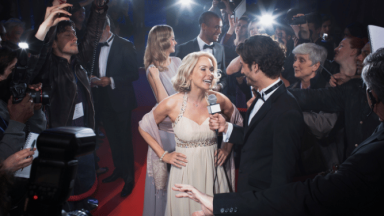
It’s not just about the clothes anymore. The power of celebrity influence has exploded beyond one-off red carpet looks, creating entire ecosystems of behavior and consumption that we now call lifestyle trends. These are much deeper than fleeting fads; they represent a complete shift in how we perceive and aspire to live. This is about the entire vibe.
Unlike a single hot-ticket item that disappears in a season, these trends have staying power because they tap into broader cultural movements. Think of it like the difference between a hit single and a whole album; one is a moment, the other is a statement. When a major star adopts a specific wellness routine or a minimalist home aesthetic, they are selling a philosophy, not just a product. What most people miss is how these trends often start subtly—a casual mention in an interview or a background detail in an Instagram story.
Anúncios
But why do these trends catch on so effectively? Dr. Amelia Thorne, a media psychologist at UCLA, points to the concept of parasocial relationships. “We feel we know these figures, so adopting their habits feels like taking advice from a trusted, albeit distant, friend,” she explains. “A 2022 study from the Journal of Consumer Psychology found that 63% of consumers aged 18-34 made a purchase based on a celebrity recommendation. It’s about buying a small, attainable piece of an idealized life, whether that’s through their skincare or their coffee order.”
These curated lifestyles — from conscious consumerism to high-tech biohacking — reflect our own anxieties and aspirations back at us. They offer a pre-packaged guide to navigating modern life, endorsed by someone we already admire. The real question is which of these trends are genuinely beneficial and which are just clever marketing in disguise.
From Wellness Gurus to Ethical Advocates: The Diverse Landscape of Star-Driven Lifestyles
Celebrity influence isn’t just about clothes anymore. It’s about your entire life. The modern star sells not just a product but a complete philosophy, transforming personal choices into widespread lifestyle trends. This shift reflects a deeper consumer desire for meaning, with a report from the Global Wellness Institute noting the global wellness economy is valued at over $5.6 trillion. Celebrities have successfully positioned themselves as the accessible—and highly marketable—guides to navigating it.
Anúncios
They are selling a version of a better life. And millions are buying it.
The Rise of the Celebrity Wellness Brand
Perhaps the most visible evolution is the celebrity-as-wellness-guru. Figures like Gwyneth Paltrow with Goop have built empires on the premise of curated health, offering everything from diet plans to expensive supplements. These brands promote a specific aesthetic of well-being, often centered on clean eating, high-intensity workouts like reformer Pilates, and mindfulness practices. The data suggests this is more than a fad; according to a poll by CivicScience, 28% of U.S. adults have tried a health or wellness product specifically because of a celebrity endorsement.
But how much of this is genuine health advice versus brilliant marketing? When a star promotes a $200 “detox” smoothie, they are selling an aspirational feeling more than a nutritional benefit. Following these guides can feel like getting an exclusive pass to a healthier, more beautiful existence. For many, integrating these celebrity-approved habits is a direct path to achieving that inner and outer glow, much like adopting the right beauty tips for a radiant you can transform your confidence.
Sustainable Stars: Eco-Conscious Living in the Limelight
A different, yet equally powerful, trend is the move towards sustainable living. Stars like Emma Watson and Mark Ruffalo use their platforms to champion ethical fashion and environmental responsibility. This goes beyond a single red carpet moment; it involves promoting minimalist wardrobes, advocating for plant-based diets, and investing in green technology. Their influence makes eco-consciousness feel less like a sacrifice and more like a status symbol.
Choosing an ethical brand then becomes less like a complex moral calculation and more like picking your favorite coffee shop—a simple, identity-affirming choice. When a celebrity is seen wearing a dress from a small, sustainable designer, that brand can see a traffic spike of over 300% overnight, as documented by fashion analytics firm Lyst. Suddenly, navigating fashion trends includes checking a brand’s carbon footprint alongside its latest collection.
Advocacy and Influence: Celebrities Driving Social Change
Beyond products and personal habits, celebrities are increasingly becoming vectors for social and political advocacy. From Angelina Jolie’s long-standing work with the UN to Yara Shahidi’s focus on voter registration, stars are tying their public image to specific causes. This form of influence is complex; it uses the power of fame to direct attention and resources toward issues that might otherwise be ignored. It’s a powerful tool for mobilizing fans into activists.
This isn’t just about tweeting a hashtag. It’s about integrating a cause into their brand identity—and let’s be real, it also boosts their public profile. The most effective celebrity advocates are those whose efforts feel authentic and sustained, turning their fame into a genuine instrument for change. Their actions show how celebrity influence can shape more than just what we wear, but also what we care about.
How Philanthropy Becomes a Trend
The institutionalization of celebrity advocacy has even made philanthropy itself a trend. When a major star aligns with a cause, it creates a ripple effect, encouraging both other celebrities and the general public to participate. Dr. Marcus Collins, a marketing professor at the University of Michigan, notes, “Social currency is built on what we share. When a celebrity champions a cause, they provide their followers with cultural content to share, making participation feel both meaningful and socially relevant.”
This can result in massive fundraising and awareness campaigns that have a tangible impact. The challenge, is distinguishing between authentic commitment and “cause-washing,” where philanthropy is used as a convenient PR tool. The line between genuine advocacy and a meticulously crafted personal brand has become almost impossible to see, leaving the public to decide what’s real and what’s for show.
We feel we know these figures, so adopting their habits feels like taking advice from a trusted, albeit distant, friend.
— Dr. Amelia Thorne, Media Psychologist, UCLA
| Trend Category | Celebrity Archetype | Consumer Appeal | Potential Pitfall |
|---|---|---|---|
| Wellness & Health | The Guru (e.g., Gwyneth Paltrow) | Offers a shortcut to health, beauty, and a feeling of inner balance. | Promotes expensive, often unscientific products; can create health anxiety. |
| Sustainable Living | The Ethical Advocate (e.g., Emma Watson) | Makes eco-consciousness feel aspirational, stylish, and morally righteous. | Can oversimplify complex issues; risk of ‘greenwashing’ for personal branding. |
| Social Advocacy | The Philanthropist (e.g., Angelina Jolie) | Allows fans to feel part of a meaningful cause and builds social currency. | Blurs the line between genuine commitment and ’cause-washing’ for PR. |
| Interior Design | The Home Curator (e.g., via Architectural Digest) | Provides a blueprint for a serene, high-status, and aesthetically pleasing living space. | Drives consumerism for high-end decor; promotes an often unattainable standard. |
The Ripple Effect: How Star Choices Shape Mainstream Culture and Consumer Habits
Celebrities don’t just set trends; they create markets out of thin air. When an A-lister adopts a new diet, promotes a skincare line, or is photographed in an obscure designer’s jacket, the economic impact is immediate and immense. This isn’t just about imitation. It’s a underlying rewiring of consumer behavior on a mass scale, turning a simple Instagram post into a multi-million dollar sales event.
The trust an audience places in a public figure can be surprisingly powerful. Dr. Marcus Weldon, a consumer psychologist at the University of Chicago, states that “parasocial relationships—the one-sided bonds fans feel with celebrities—create a powerful illusion of a trusted recommendation.” His research indicates that purchase intent can increase by up to 55% when a product is promoted by a celebrity perceived as authentic by their audience. This is the engine that drives entire industries, from wellness supplements to boutique fashion houses.
It’s a direct line into our wallets.
Fashion’s Fast Lane: From Runway to Real Life
Nowhere is the celebrity effect more obvious than in fashion. What most people miss is the sheer speed of the trend cycle. An actress wears a vintage-inspired dress on a red carpet, and within 48 hours, fast-fashion retailers have near-identical versions available online. It’s like a starting pistol for a manufacturing race. The public’s desire to emulate these looks fuels a system where mastering modern looks means constantly keeping an eye on celebrity paparazzi shots.
This cycle has a profound cultural impact. It dictates what is considered stylish, desirable, and even professional for a given season. A single influential celebrity can make a “dated” style—like low-rise jeans or chunky sneakers—suddenly feel current again. For many followers, decoding the latest fashion trends is less about personal expression and more about aligning with the aesthetic of their favorite star, blending aspiration with accessibility.
Beyond Clothing: Home Decor and Travel Trends
The influence doesn’t stop at the closet door. Celebrity home tours on platforms like YouTube and in magazines have transformed interior design into a public spectacle. When a famous musician reveals their minimalist, Japandi-style living room, searches for shoji screens and neutral-toned linen sofas spike almost instantly. Suddenly, millions are trying to elevate their everyday style not just in clothing, but in their living spaces, mirroring the curated calm of a celebrity sanctuary.
Even our vacation plans are susceptible. A star posts from a previously quiet beach town in Italy or a remote cabin in Montana, and suddenly it becomes the next hot destination—often driving up prices and changing the local culture. The underrated factor here is that these choices are presented as personal discoveries, not as calculated marketing strategies. This curated authenticity makes the lifestyle they sell feel attainable, even if the price tag says otherwise. The line between a genuine preference and a paid partnership has never been blurrier.
Navigating Authenticity: Separating Genuine Trends from PR Stunts
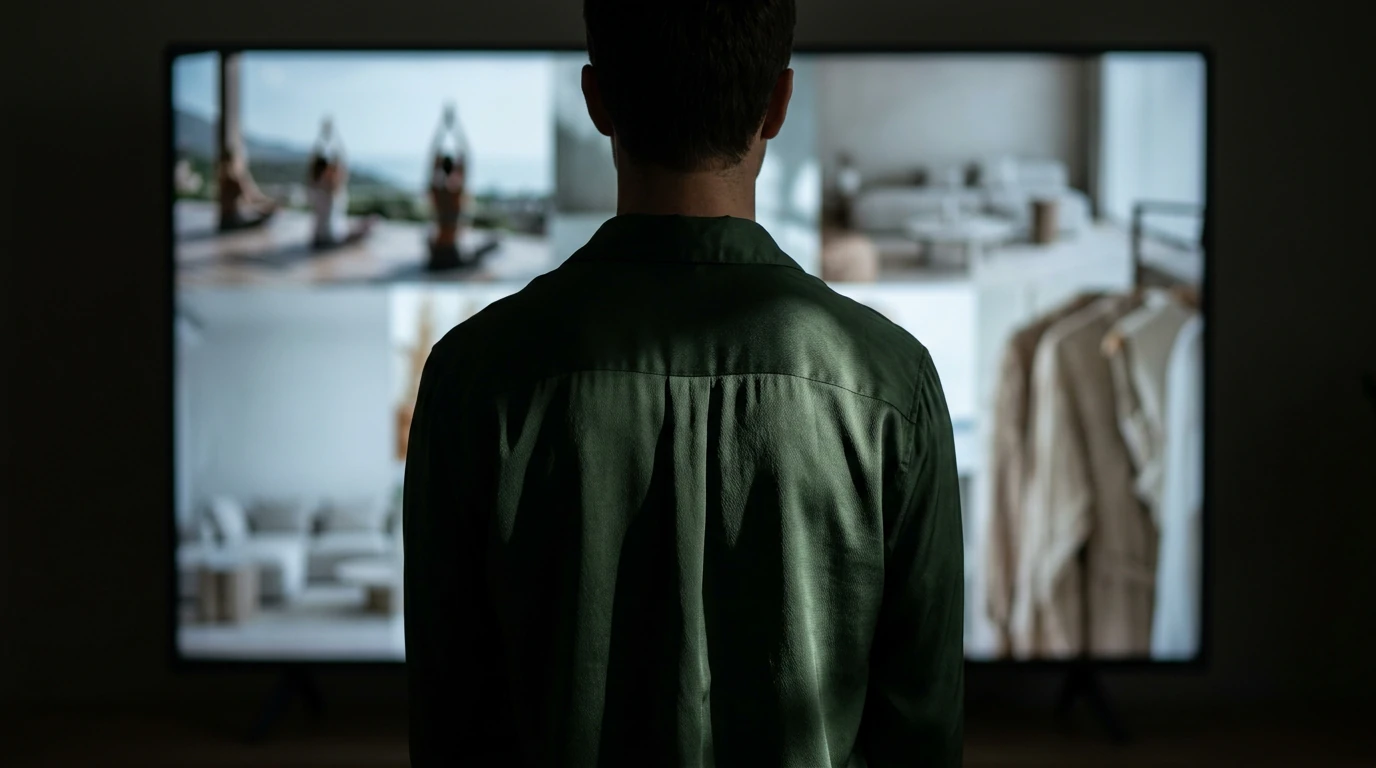
That perfect celebrity lifestyle you see online isn’t real. It’s a carefully constructed product. Behind every casually placed green juice and “spontaneous” wellness retreat is a team of publicists, agents, and brand managers working to sell you an image. The line between a genuine personal choice and a calculated marketing campaign has become almost invisible, demanding a new level of media literacy from consumers.
Understanding this game is the first step to reclaiming your own style. It’s not about cynicism; it’s about smart consumption.
The Power of Perception: Crafting a Public Image
Celebrity image-making is a multi-million dollar industry built on perception. Every public appearance, social media post, and paparazzi photo is a potential tool for narrative control. A study by the Annenberg School for Communication found that a celebrity’s perceived authenticity can increase their endorsement value by up to 22%. This creates a massive financial incentive to appear “real” even when the entire situation is staged.
Think about a star suddenly embracing a rustic, farm-to-table lifestyle after a public scandal. Is it a true change of heart, or a strategic pivot to a more wholesome brand identity? The underrated factor here is timing. These personal “evolutions” often coincide perfectly with a new movie role, book launch, or brand partnership that requires a softer, more relatable image. It’s a performance designed for maximum impact.
Spotting the Signs: Is it Real or Sponsored?
Distinguishing organic trends from PR stunts requires a critical eye. Genuine lifestyle shifts tend to be gradual and consistent, integrated over time. A PR-driven trend, often appears overnight and with suspicious perfection. The celebrity who never mentioned fitness suddenly posting daily gym selfies with specific equipment brands in the background is a classic red flag.
Look for the repetition of specific brand names, hashtags, or products across multiple posts. This is often the digital footprint of a paid campaign. Another sign is the overly curated “candid” shot — the lighting is too perfect, the product label is facing the camera just so, and the caption feels like ad copy. It’s the modern-day infomercial, just cleverly disguised. The real impact of celebrity fashion trends often hinges on this manufactured sense of discovery.
Checklist: Evaluating Celebrity Trend Credibility
Before you buy into the next big thing, run it through this mental checklist. It’s a simple tool for sharpening your critical thinking skills and protecting your wallet.
- Follow the Money: Who benefits financially if this trend takes off? Is the celebrity an investor, a paid spokesperson, or the owner of the company being promoted?
- Check for Consistency: Does this new passion align with the celebrity’s long-term interests and public persona, or does it feel completely out of character? A sudden pivot is often a sign of a short-term contract.
- Analyze the Language: Is the celebrity using generic, overly positive marketing language (“turning point,” “life-changing,” “my absolute necessary”)? Authentic enthusiasm usually sounds more specific and personal.
- Look at the Rollout: Did the trend appear suddenly across multiple celebrity accounts at the same time? This often points to a coordinated PR push rather than an organic movement. These are some of the core tips for navigating fashion trends with savvy.
- Evaluate the Context: Is the trend being promoted around a major product launch or movie release? The timing can reveal the true motivation.
Long-Term Impact vs. Fleeting Fads
The digital graveyard is filled with celebrity-backed fads that vanished as quickly as they appeared — remember those detox teas and waist trainers? These are textbook examples of high-intensity, low-sustainability PR campaigns. They generate a quick burst of conversation and sales before the celebrity (and their paycheck) moves on to the next deal. They are flashes in the pan.
Influential lifestyle trends have staying power because they connect with a genuine cultural need or desire. Things like a broader interest in sustainable fashion or mental wellness gain traction because they resonate beyond a single spokesperson. The challenge is to filter out the noise of sponsored content to find what works for you. Instead of blindly copying a look, consider how a trend can be adapted to your own life and help you in mastering modern looks that feel personal and lasting. The goal isn’t to reject celebrity influence entirely, but to engage with it on your own terms.
Your Lifestyle, Your Rules: Adapting Celebrity Trends with Personal Style
Stop copying celebrities. Start curating them. The real power isn’t in mirroring a star’s life but in using their choices as a catalog of ideas to remix into your own authentic existence. After critically evaluating a trend’s authenticity, the next step is personal filtration. This is where you separate the inspiring from the impractical. The underrated factor here is personal relevance. A celebrity’s green juice cleanse might seem appealing, but does it fit your work schedule, budget, and actual nutritional needs? Adapting a trend is like adding a new spice to a favorite recipe; you sprinkle it in, you don’t dump the whole jar and ruin the dish. True style comes from this selective process.
Curating Your Influences: What to Adopt, What to Skip
Before you adopt a new habit or buy that “it” item, ask yourself a few tough questions. Does this trend genuinely simplify or enrich my life, or does it just add complication? A survey from the Fashion Institute of Technology suggests that over 60% of impulse buys inspired by social media are rarely used after the first month. Your life isn’t a movie set—and let’s be real, most of us don’t have a personal stylist on call. Focus on the essence of the trend, not the exact product. If a celebrity’s minimalist home inspires you, you don’t need their $5,000 sofa. Instead, you can apply the principle of decluttering to your own space. This mindset allows you to elevate your everyday style without sacrificing your personality or your bank account. It’s about interpreting the concept, not mimicking the execution.
Pros and Cons of Embracing Star-Driven Trends
Jumping on a trend can be exciting, but it’s a double-edged sword. What most people miss is the hidden cost of blindly following the Hollywood playbook. Understanding the potential upsides and downsides is key to navigating fashion trends with confidence and making smart choices.
- Pro: Inspiration and Discovery. Trends expose you to new ideas, aesthetics, and self-care practices you might not have found otherwise. They can be a fun way to shake up your routine.
- Con: Loss of Individuality. Over-adopting trends can dilute your personal style, turning you into a walking billboard for someone else’s brand. It can make your choices feel temporary and disposable.
- Pro: A Sense of Community. Participating in a popular trend can connect you with others who share that interest, creating a shared cultural moment.
- Con: Financial and Emotional Drain. Constantly chasing the next big thing is expensive and exhausting. A study from the Journal of Consumer Psychology indicates a strong link between trend-chasing and feelings of inadequacy and anxiety.
Ultimately, your goal shouldn’t be to live someone else’s life. It’s to build a better, more expressive version of your own, using the world of celebrity as just one of many sources of inspiration.
Beyond the Trend: Reclaiming Your Personal Narrative
Ultimately, the most powerful takeaway isn’t learning to spot a fake trend or perfectly emulate a real one. Instead, it’s about asking a more profound question: what underlying human need is this celebrity trend trying to fulfill? Is the desire for a complex skincare routine really about the product, or is it a search for control and self-care in a chaotic world? Is the appeal of a minimalist aesthetic about decluttering our homes, or decluttering our minds?
By understanding the ‘why’ behind the ‘what,’ you can move beyond being a passive consumer of a pre-packaged lifestyle. The true opportunity is to use these trends not as a rulebook to be followed, but as a mirror reflecting your own aspirations. Once you identify the core desire, you can find a more personal and authentic way to fulfill it, turning the act of consumption into an act of self-discovery. What would it look like to build your own playbook, rather than just borrowing someone else’s?
Frequently Asked Questions
How quickly do celebrity lifestyle trends become mainstream?
The speed can be incredibly fast, often taking just days or weeks. A single viral social media post or a high-profile red carpet appearance can trigger immediate consumer demand. Fast-fashion and e-commerce platforms then accelerate this cycle, producing copycat products within 48 hours to meet the surge in interest.
Do all celebrity lifestyle trends contribute positively to society?
No, they do not. While trends promoting sustainability or genuine charitable causes can have a positive impact, many others promote pseudoscience, unrealistic body standards, or excessive consumerism. Trends like detox teas or extreme diets have faced criticism from health experts for being ineffective and potentially harmful.
Can I adopt a celebrity lifestyle trend on a budget?
Yes, it’s often possible to adopt the spirit of a trend without the high price tag. For example, instead of buying the exact designer brand, you can focus on the core concept, such as minimalism, clean eating, or shopping secondhand for sustainable fashion. The key is to adapt the underlying principle to your own budget and lifestyle.
What’s the difference between a celebrity trend and a micro-trend?
A celebrity lifestyle trend is a broader, philosophy-based shift in behavior, like wellness or sustainability, championed by a public figure. A micro-trend is typically a much shorter-lived, specific aesthetic or item, like a particular style of sunglasses or a viral TikTok recipe. Celebrity trends often contain many micro-trends within them.
How can I identify authentic celebrity endorsements?
Look for consistency and long-term commitment. An authentic endorsement often aligns with a celebrity’s known interests and values over many years. Be skeptical of sudden, dramatic shifts in lifestyle, overly polished marketing language, and posts where multiple celebrities promote the exact same product at the same time, which often signals a coordinated PR campaign.