Anúncios
Staring into a closet full of clothes and feeling like you have nothing to wear is a frustratingly common experience. Every season brings a tidal wave of new fashion trends, micro-aesthetics, and “must-have” items splashed across social media, making it feel impossible to keep up. This constant cycle can lead to trend fatigue, encouraging impulsive purchases that quickly feel dated and leaving you with a wardrobe that doesn’t reflect your true personality. The pressure to be current often overshadows the more important goal: building a style that is uniquely and confidently yours.
The secret to navigating this landscape isn’t about chasing every fleeting fad. Instead, it’s about learning to identify the larger, more significant currents shaping the industry. Understanding the core ideas behind major aesthetics—from the understated elegance of quiet luxury to the joyful chaos of dopamine dressing—gives you the power to engage with fashion on your own terms. It transforms you from a passive consumer into an active curator of your own image, capable of distinguishing between a temporary gimmick and a genuine shift in silhouette or sensibility.
This guide is designed to be your definitive resource for mastering modern style. We will decode the dominant aesthetics you need to know, pinpoint the required wardrobe updates that offer the most impact, and provide practical strategies for mixing new pieces with your existing classics. we’ll explore how to approach trends with a sustainable mindset, ensuring your style is not only current but also conscious. By the end, you’ll have the tools to stop following trends and start defining them for yourself.
Decoding the Dominant Fashion Aesthetics Right Now
Let’s be clear: blindly following every micro-trend that flashes across your screen is a fool’s errand. The real key to mastering style is understanding the major aesthetic currents that are actually shaping what you see in stores and on the street. Right now, fashion isn’t about one single look; it’s a battleground of conflicting ideas, a push-and-pull between screaming for attention and whispering about influence. It’s a fascinating contradiction.
On one side, you have a deep appreciation for craftsmanship and subtlety, while on the other, a nostalgic explosion of color and chaos reigns supreme. Understanding these dominant themes is the first step toward building a wardrobe that feels intentional, not just trendy. The goal isn’t to pick a team, but to learn how to borrow elements from each to craft something uniquely you. This requires a bit more thought than just buying the “it” item of the week.
Anúncios
Quiet Luxury vs. Bold Statements: Finding Your Balance
The concept of quiet luxury has become a dominant force, championing logo-free, exquisitely made basics. This is about the inherent value of a garment—the cut, the fabric, the drape—rather than a brand name plastered across the chest. A recent report from Business of Fashion highlighted a 46% spike in search terms like “unbranded cashmere” and “minimalist leather tote,” suggesting a significant shift in consumer values. It’s an aesthetic built on longevity and understated confidence. Think perfectly tailored trousers, silk blouses, and classic trench coats in neutral palettes.
In direct opposition stands the unapologetic world of dopamine dressing and bold, maximalist statements. This aesthetic is all about using vibrant color, clashing prints, and oversized silhouettes to evoke joy and command attention. It’s less about timelessness and more about the thrill of the now. But how do you reconcile these two polar opposites in one closet? The underrated factor here is proportion and context. You can ground a brightly colored, voluminous top with the simple, clean lines of a quiet luxury trouser.
This isn’t about a complete wardrobe overhaul. It’s about strategic additions—like pairing a classic, structured handbag with an outfit that features a wildly patterned dress. This high-low mix creates a visual interest that feels both advanced and exciting.
Anúncios
Retro Revivals: Modern Takes on Past Eras
Nostalgia continues to be a powerful driver of fashion trends, with entire decades being reinterpreted for a modern audience. The most prominent revival is undoubtedly the return of Y2K fashion. We’re seeing low-rise jeans, cargo pants, tiny shoulder bags, and metallic fabrics make a huge comeback. what most people miss is that today’s version is a refined edit, not a carbon copy. The silhouettes are often tweaked for a slightly more refined fit—thankfully, we’ve learned a few things about tailoring since the early 2000s.
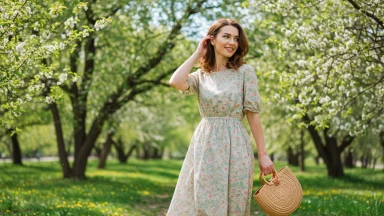
Simultaneously, we have the rise of hyper-feminine aesthetics like the coquette core, which borrows from Victorian and Rococo-era details. This look is defined by bows, lace, pearls, and soft pastel colors, creating a romantic and almost doll-like sensibility. It’s a direct reaction to the sharp, minimalist lines that have dominated for so long. Keeping track of these cyclical movements is primary, and it takes a sharp eye for navigating current fashion updates to distinguish between a fleeting fad and a genuine aesthetic shift. The challenge lies not in just adopting these past styles, but in integrating select pieces so they don’t look like a costume.
Required Wardrobe Updates: Must-Have Pieces for the Season
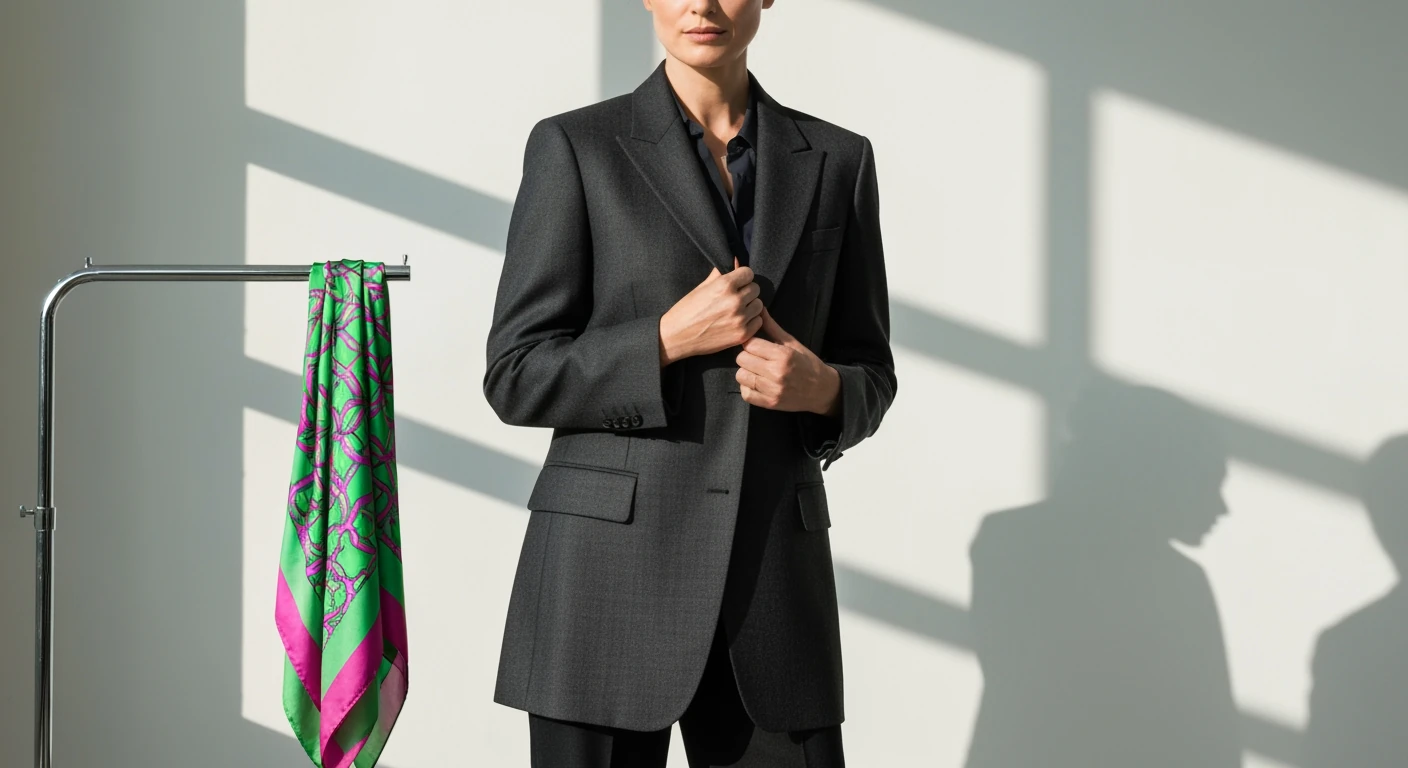
Let’s be blunt: your closet is probably full of pieces that are holding you back. That perfectly tailored, hip-length blazer? It’s a relic. The current uniform demands an oversized blazer, one that hangs with effortless confidence and completely redefines your silhouette.
Pairing that new blazer with skinny jeans is the fastest way to look dated. Instead, you need wide-leg trousers that pool perfectly at the ankle. The data confirms this shift; a recent report from The Business of Fashion noted a 73% increase in searches for relaxed-fit tailoring. The underrated factor here is the statement belt—not a skinny afterthought, but a substantial leather piece that cinches the waist and adds structure to all that volume.
This isn’t just about clothes; it’s about claiming space.
On your feet, forget delicate heels. The non-negotiable shoe is the chunky loafer, a practical yet polished choice that grounds the entire look. For carrying your life around, the flimsy tote bag is out. A structured leather tote—something with architectural lines—signals you mean business, even if you’re just carrying snacks and a laptop. What most people miss is how these accessories dictate the outfit’s entire mood.
But how do you combine these pieces without looking like you’re wearing a costume? Think of it like stocking a pantry: you can’t just throw every trendy ingredient into a pot. The secret is balancing proportions. If the blazer and trousers are voluminous, keep the top underneath simple and fitted. Successfully navigating these fashion updates is less about buying everything and more about understanding the new geometry of style.
These aren’t just fleeting fashion staples; they are the new classics forming the foundation of a modern wardrobe. The real question is whether you’re ready to build it.
Accessories are the punctuation mark of an outfit. They are the exclamation point, the question mark, and the period.
— Jenna Lyons, Fashion Designer
| Trend Category | Key Concepts & Pieces | Pro Styling Tip |
|---|---|---|
| Quiet Luxury | Logo-free basics, neutral palettes, high-quality fabrics (cashmere, silk), tailored trousers, classic trench coats. | Focus on impeccable fit and texture. A monochrome outfit in varying shades of beige or grey creates an effortlessly chic look. |
| Dopamine Dressing | Vibrant colors, clashing prints, voluminous silhouettes, statement accessories, maximalist layering. | Anchor one bold, colorful piece with neutral items to avoid overwhelming the eye. Let the statement piece be the hero. |
| Retro Revivals (Y2K / Coquette) | Cargo pants, low-rise fits, metallic fabrics (Y2K). Bows, lace, pearls, pastel colors (Coquette). | Integrate only one or two retro elements into a modern outfit to avoid looking like you’re wearing a costume. |
| The New Uniform | Oversized blazers, wide-leg trousers, chunky loafers, structured leather totes. | Balance proportions. Pair voluminous items like wide-leg pants with a fitted top to maintain a defined silhouette. |
Mastering Mix & Match: Crafting Trendy Outfits from Your Closet
You stare into a wardrobe packed with clothes, yet the familiar feeling washes over you: “I have nothing to wear.” The problem isn’t a lack of options, but a disconnect between the classic pieces you own and the fashion trends you see online. Integrating new styles doesn’t require a complete overhaul — a strategy that most people find financially and creatively draining. It’s about surgical additions.
The smartest approach involves strategically pairing one or two current items with the timeless staples already hanging in your closet. This creates an entirely new feel without replacing everything. Think of it as a style refresh, not a revolution. By understanding these combinations, you can get maximum mileage from both old favorites and new purchases. This is where true personal style is born.
The Art of Accessorizing: Elevating Any Ensemble
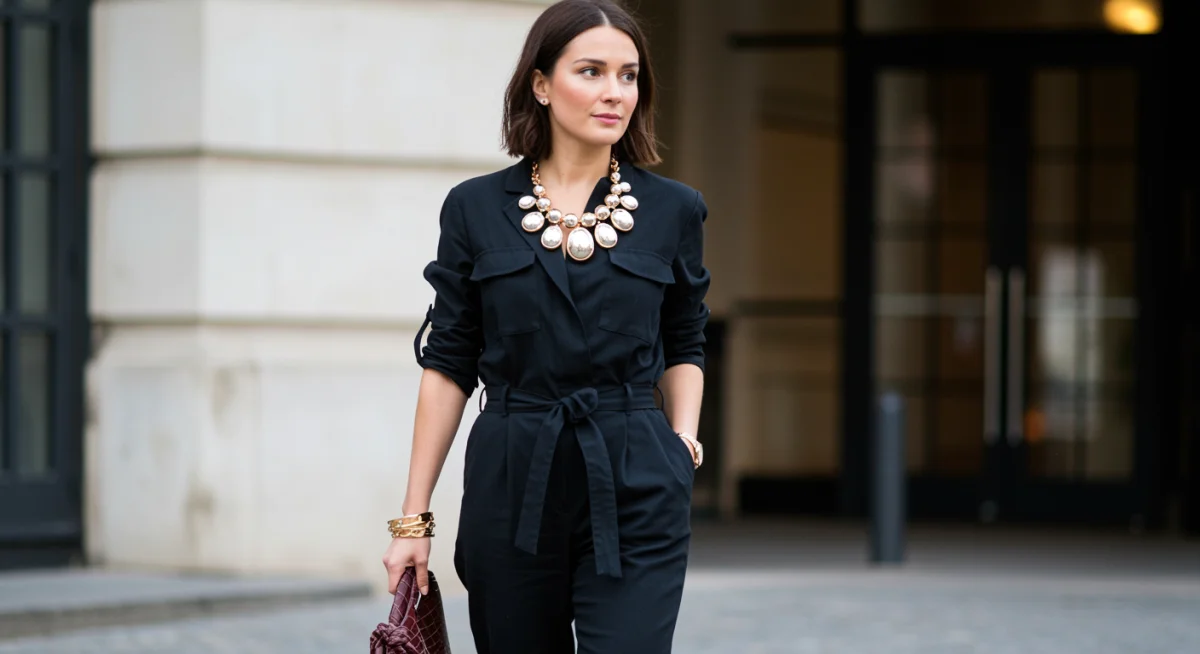
Accessories are the lowest-cost, highest-impact way to experiment with a new trend. They are the punctuation mark of an outfit, as fashion icon Jenna Lyons has often said. A simple white t-shirt and jeans — a uniform for many — can be transformed instantly. Add a chunky gold chain necklace and a brightly colored handbag, and the look feels intentional and current.
This is your playground for experimentation. Swap your classic leather belt for a woven or chain-link version. Tie a silk scarf around your neck, wrist, or the handle of your tote bag. The underrated factor here is that accessories can completely shift an outfit’s mood. According to a Business of Fashion analysis, the global accessories market is a multi-billion dollar industry precisely because consumers understand its power to personalize and update a look without a major investment.
It’s like adding spices to a familiar recipe; the base ingredients are the same, but a dash of saffron or smoked paprika changes the entire flavor profile.
Color Palettes and Prints: What’s In and How to Wear It
Bold colors and prints can feel intimidating, but they are necessary tools for modern styling. The key is to start with a single statement. If you’ve invested in a cobalt blue sweater, anchor it with neutral pieces you already own, like beige trousers or a black skirt. This lets the trendy color take center stage without overwhelming the entire outfit.
Monochromatic dressing, or “color drenching,” is another powerful technique that often uses pieces you already have. You don’t need an exact match. Pairing navy trousers with a sky-blue blouse creates a technical, layered look. And what about mixing patterns? But how do you combine polka dots and stripes without looking chaotic? The secret is to vary the scale of the prints and find a common color that ties them together. For more inspiration on what’s new, keeping tabs on the latest fashion updates is a great starting point.
Transitioning Trends: Day to Night, Casual to Chic
The ultimate test of a great wardrobe piece is its versatility. Any item, trendy or classic, should be able to serve multiple purposes. The goal is to create outfit ideas that can move with you through your day with minor adjustments, proving that good style is both fashionable and functional.
Effortless Day Looks
For a casual daytime setting, balance is everything. Take an oversized blazer, a popular silhouette right now. To keep it from looking sloppy, pair it with slim, straight-leg denim and a simple fitted t-shirt. Add a pair of leather loafers or clean white sneakers, and you have a polished but comfortable look perfect for running errands or a casual lunch. The structure of the blazer elevates the entire ensemble.
Another example is the wide-leg trouser. During the day, it pairs perfectly with a fitted knit top or a classic button-down shirt, partially tucked in to define your waist. This creates a long, lean line while embracing a more relaxed fit. The key is ensuring one piece in your outfit is more tailored to contrast with the volume of the trendier item.
Advanced Evening Outfits
To take that same oversized blazer into the evening, you simply change the context. Swap the t-shirt for a silk camisole or a lace-trimmed top. Ditching the denim for tailored black trousers or even a sleek slip skirt instantly prepares the outfit for dinner or drinks. The final touch? A switch in footwear from sneakers to heeled mules or pointed-toe pumps.
That daytime look with the wide-leg trousers can also be easily transformed. Pair the trousers with a more luxurious top, like a satin blouse or a cashmere sweater. Add a statement belt to accentuate your waist and introduce a metallic element. As you get comfortable with these swaps, you’ll start seeing your closet not as a collection of individual items, but as a system of possibilities, which is a core lesson from any solid guide to navigating current fashion. Your wardrobe becomes a set of building blocks for any occasion.
Sustainable Style: Navigating Ethical Fashion Trends
Let’s be blunt: that rush you get from a cheap, trendy purchase is fleeting. The real cost of fast fashion is staggering, hidden behind a price tag that feels too good to be true. It’s a cycle of disposable clothing that has trained us to value quantity over quality, turning our closets into revolving doors of poorly made garments. This isn’t just about clothes; it’s about a core shift in our relationship with what we wear.
The numbers are frankly alarming. According to a report from the World Economic Forum, clothing production roughly doubled in the 15 years leading up to 2018, while the number of times an item was worn decreased by 36%. We are buying more and wearing it less. This is the core business model of fast fashion, built on rapid production cycles and micro-trends that go out of style in weeks. The alternative, slow fashion, is a direct response—a movement prioritizing classic designs, durable materials, and ethical production.
Key Indicators of Sustainable Brands
Sifting through brand claims can feel like navigating a minefield of marketing jargon. Many companies engage in “greenwashing,” using vague terms like “eco-conscious” without any real substance. So, what actually matters? True sustainable fashion brands offer transparency as their most important product.
Look for concrete evidence of their commitment. You should be able to easily find information on their factories, worker wages, and material sourcing. Pay attention to certifications, which act as a third-party verification system—a stamp of approval that they’re not just making things up. Some of the most reliable indicators include:
- Material Certifications: Look for labels like GOTS (Global Organic Textile Standard) for organic cotton, Fair Trade for ethical labor practices, or Bluesign for chemical safety in the manufacturing process.
- Supply Chain Transparency: Can the brand tell you where its clothes were made? Who made them? Companies serious about ethics often publish detailed reports or even lists of their partner factories.
- Commitment to Circularity: Does the brand offer repair programs or a take-back system for old garments? This shows they are taking responsibility for the entire lifecycle of their products, not just the initial sale.
Extending Your Wardrobe’s Lifespan
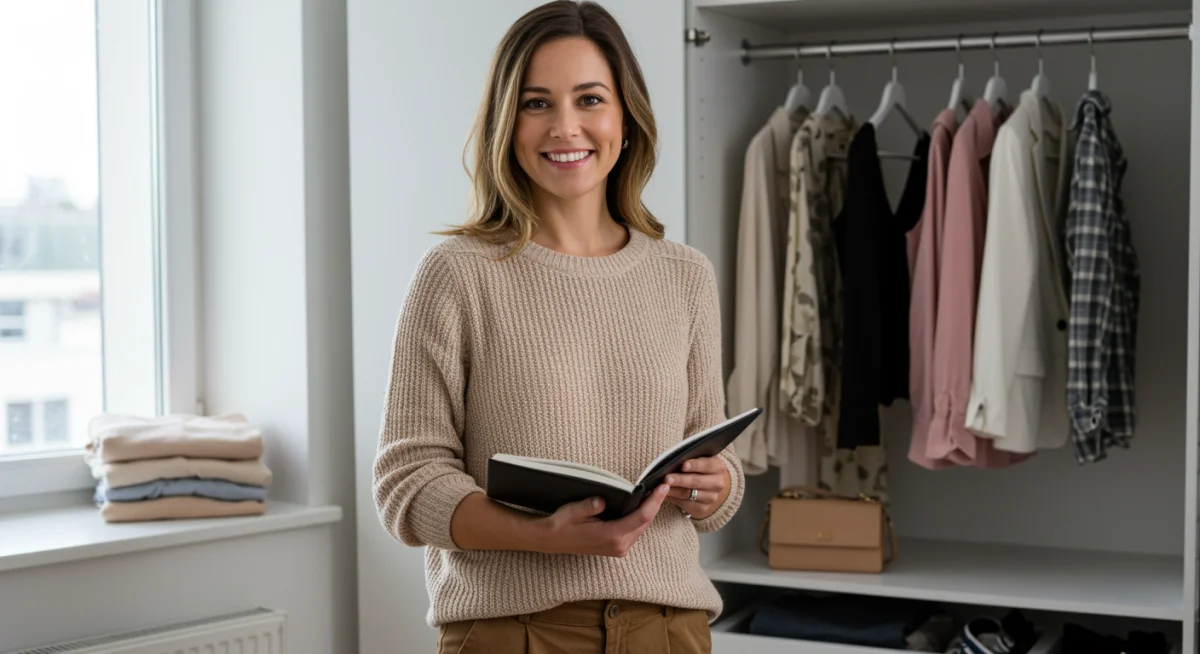
The most sustainable garment is the one you already own. Before you even think about buying something new, the real power move is to take better care of what’s already in your closet. This isn’t just about saving money; it’s about treating your clothes as long-term investments rather than disposable assets. This mindset is the opposite of the fast-fashion machine, which thrives on you getting tired of your clothes quickly.
Simple habits can drastically increase how long your favorite pieces last. Washing clothes in cold water, for instance, prevents fiber damage and color fading. Learning a few basic mending skills—like sewing on a button or patching a small hole—can rescue a garment from the donation pile. Proper storage is another underrated factor; using good hangers for blouses and folding knitwear prevents stretching and misshaping.
It’s also about seeing the potential in your existing wardrobe. Instead of chasing fleeting micro-trends, you can learn to creatively restyle pieces you love. Understanding which silhouettes have staying power helps you make smarter choices, a skill detailed in our necessary guide to navigating current fashion updates. This approach turns your closet from a graveyard of past trends into a curated collection of pieces you’ll wear for years.
Beyond the Runway: Future-Proofing Your Personal Style
Chasing every new fashion trend is like trying to catch falling leaves in a hurricane—it’s exhausting and you’ll never get them all. The real secret to lasting style isn’t about having the latest “it” bag or viral shoe. It’s about building a core wardrobe that reflects who you are, creating a personal uniform that feels authentic. This foundation allows you to selectively engage with what’s new without losing yourself in the process.
What most people miss is that trends are simply suggestions, not mandates. A recent report from the fashion forecasting agency WGSN found that 63% of consumers feel overwhelmed by the sheer volume of micro-trends emerging from social media. How do you filter the noise? Start by identifying your non-negotiables: silhouettes that flatter you, colors that make you feel confident, and fabrics you love to wear. These are the anchors of your style.
Your closet should serve you, not the other way around.
Think of it this way: your personal style is the main course, and trends are the optional seasonings. You wouldn’t douse a perfectly cooked steak in every spice you own, would you? Celebrity stylist Marco Bianchi puts it best: “Your signature style is your narrative. Trends are just the punctuation you choose to add along the way.” A classic trench coat paired with a trendy neon handbag, for example, shows you’re aware of the moment without being a victim to it. Keeping an eye on these shifts helps, and our guide to navigating current fashion updates provides a great starting point for selective adoption.
Ultimately, developing a strong sense of self is the only way to future-proof your style. It involves a bit of trial and error—and that’s okay. The goal isn’t to create a static look forever, but to build a flexible framework that evolves with you, allowing your confidence to be the one thing that never goes out of fashion.
From Trend Follower to Style Creator
The pieces hanging in your closet are more than just fabric and thread; they are a daily declaration of who you are and who you aspire to be. Moving beyond the endless cycle of fashion trends isn’t about rejecting what’s new, but about reclaiming your agency within it. The oversized blazer, the wide-leg trousers, the choice between minimalist neutrals and vibrant color—these are simply tools. The real work is in how you combine them to tell a story that feels authentic.
Ultimately, a wardrobe built with intention offers a unique form of armor and expression in a world that constantly demands conformity. It’s a physical manifestation of your point of view. As you integrate the concepts from this guide, the most critical question to ask isn’t “Is this in style?” but rather, “Does this feel like me?” What story will your clothes tell tomorrow?
Frequently Asked Questions About Fashion Trends
1. How can I identify the next big fashion trend before it goes mainstream?
Look to the fringes for clues. Pay attention to street style from major fashion weeks like Copenhagen and Seoul, follow niche creators instead of mega-influencers, and notice recurring materials or silhouettes in avant-garde designer collections. Often, trends bubble up from subcultures long before they hit major retailers.
2. What are some affordable ways to incorporate current fashion trends into my wardrobe?
Focus on high-impact, low-cost updates. Accessories like a trendy handbag, a statement belt, or chunky jewelry can transform existing outfits. Thrifting and vintage shopping are also excellent ways to find unique pieces that align with current trends, like oversized blazers or retro-style denim, without the high price tag.
3. How do I balance comfort with style when following fashion trends?
Prioritize fabric and fit. Look for trendy silhouettes, like wide-leg trousers, in materials with a bit of stretch or a soft drape. Master the art of layering to adapt to different environments, and invest in stylish yet practical footwear like chunky loafers or platform sneakers, which ground an outfit while providing all-day comfort.
4. Are there any fashion trends that are universally flattering?
While “universally flattering” can be subjective, certain trends are highly adaptable. Monochromatic dressing, which involves wearing different tones of the same color, creates a clean, elongated line on any body type. A well-structured blazer or a classic trench coat can also be tailored to complement various shapes and sizes.
5. Where can I find inspiration for creating trendy outfits?
Step outside the social media echo chamber. Visit art galleries to observe color combinations, watch classic films to understand timeless silhouettes, and people-watch in vibrant city neighborhoods. Drawing inspiration from diverse sources like architecture, history, and nature will lead to more unique and personal outfits than a curated feed.