Anúncios
The endless scroll of fashion updates can feel like a race with no finish line. Just as you’ve mastered one look, a new silhouette, color palette, or ‘core’ aesthetic emerges, leaving you wondering if your closet is already out of date. This constant pressure to keep up is not only exhausting but also unsustainable for both your wallet and the planet. The secret isn’t to buy more, but to understand the difference between a fleeting fad and a meaningful shift in style.
Behind the runway shows and influencer posts, larger forces are at play. The fashion landscape is being reshaped by a growing demand for sustainability, a deeper appreciation for personal expression over conformity, and technological advancements that are changing how clothes are designed and consumed. Navigating this new era requires a different mindset—one that values curation over collection and longevity over novelty. It’s about building a wardrobe that tells your story, not just one that reflects the current moment.
So, how do you stay informed without feeling overwhelmed? This guide is your necessary map. We’ll break down the key trends you actually need to know, from dominant shapes to must-have colors. More importantly, we’ll equip you with the tools to identify genuinely sustainable brands, integrate new pieces into your existing wardrobe smartly, and even look ahead to the future of fashion. Get ready to move from a trend follower to a conscious style curator.
Decoding the Latest Fashion Updates: What’s Hot Right Now?
Keeping up with the constant stream of fashion updates can feel like trying to catch a moving train. One minute, skinny jeans are the standard, and the next, everyone is talking about wide-leg trousers. What most people miss is that you don’t need to adopt every single new item. Think of it more like adding a new spice to a recipe you already love; it just adds a fresh twist.
The key is to identify the major shifts and see how they can complement what you already own. It’s less about a total overhaul and more about a strategic refresh. This approach helps you stay current without losing your sense of self or breaking the bank, a core principle in effective Personal Style Development.
Anúncios
Key Silhouettes and Shapes Dominating the Season
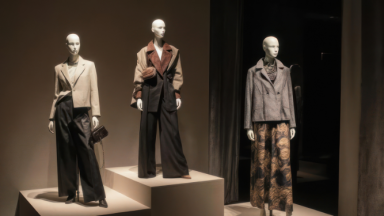
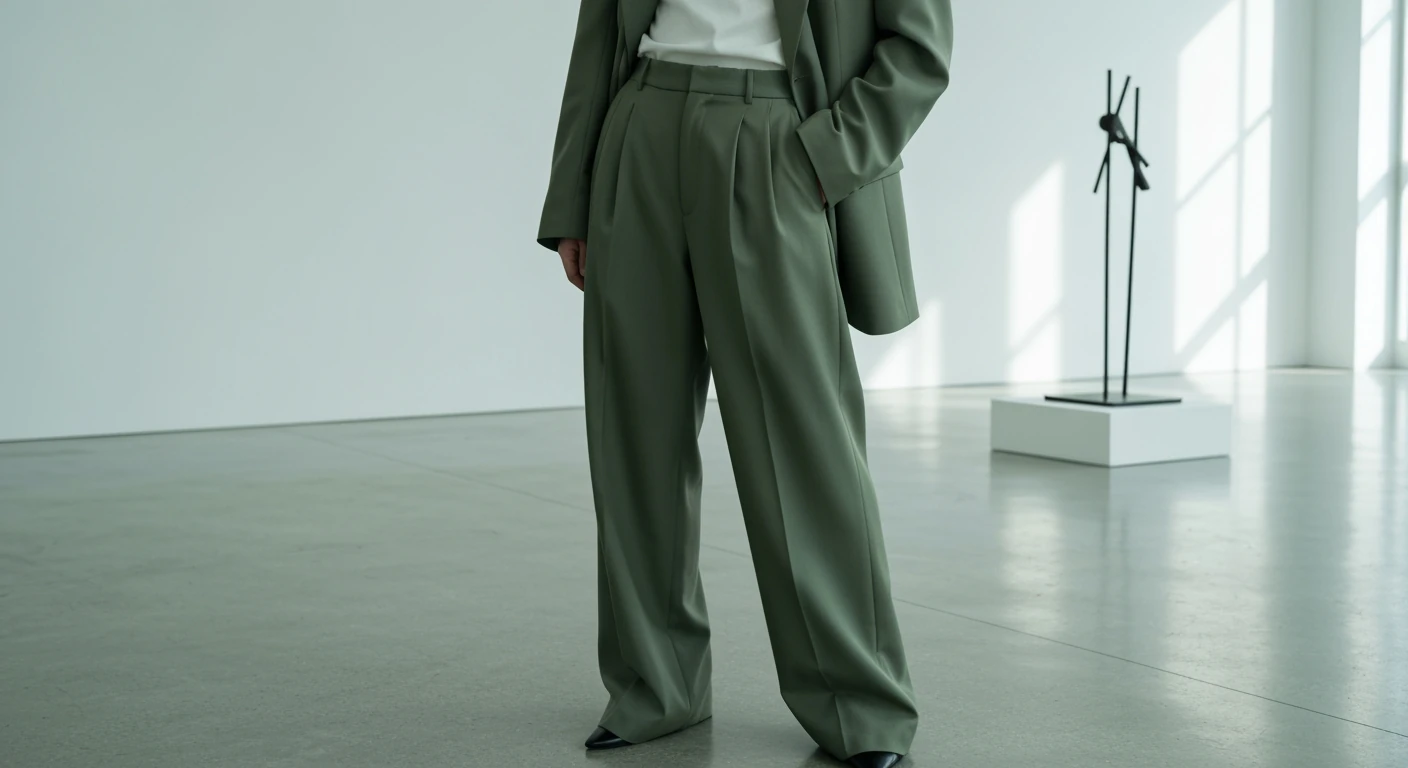
This season, structure is having a major moment, but with a comfortable, relaxed feel. We’re seeing a move towards what experts call “soft tailoring”—think oversized blazers that drape rather than constrict and wide-leg trousers with a fluid movement. According to WGSN, a leading trend forecasting agency, consumer interest in “relaxed-fit suiting” has surged by 47% in online searches over the past six months.
Another dominant shape is the full, voluminous skirt. After seasons of form-fitting silhouettes, the return of A-line and bubble-hem skirts offers a playful contrast. But how do you wear a voluminous skirt without feeling overwhelmed? The trick is balancing proportions by pairing it with a fitted top, like a simple bodysuit or a cropped knit. It’s a silhouette that surprisingly works well for both casual and formal settings—and yes, that includes the office.
These pieces are surprisingly versatile.
Anúncios
Color Palettes and Fabric Trends to Watch
While neutral tones are the foundation of any great closet, especially if you’re focused on Building a Capsule Wardrobe, pops of specific colors are defining the current mood. Rich cherry red has emerged as a powerful accent color, appearing on everything from handbags to entire coats. On the softer side of the spectrum, expect to see plenty of muted pastels like pistachio green and buttery yellow making their way into stores.
In terms of materials, texture is everything. Sheer fabrics like organza and chiffon are being used in layered looks, adding depth without bulk. At the same time, tactile materials such as bouclé and brushed wool are providing a cozy, luxurious feel. The juxtaposition of these different textures in a single outfit is one of the most interesting current styles to experiment with. Incorporating these new elements is a perfect way to transition your look, a topic often covered in our Seasonal Style Guides.
Beyond the Hype: Identifying Sustainable Fashion Updates
The conversation around fashion updates is shifting. It’s no longer just about the hottest color or the latest silhouette; a deeper, more meaningful trend is taking hold. We’re talking about sustainable fashion. This isn’t a fleeting fad but a underlying change in how we produce, consume, and think about our clothes. The data confirms this shift. A recent report from the Business Research Company noted that the global ethical fashion market is expected to grow from approximately $7.6 billion to over $11.1 billion within the next few years.
This is a big deal. Consumers are demanding more transparency and brands are being forced to respond. The change reflects a growing awareness of the fashion industry’s environmental and social footprint.
The Rise of Conscious Consumption in Fashion
Shoppers are becoming detectives. They are actively seeking information about where their clothes come from, who made them, and what materials were used. This move toward conscious consumption means that a brand’s story and its production ethics are now as important as its aesthetic. People are tired of the fast-fashion cycle of wear-once-and-toss. They want pieces with longevity and a clean conscience.
But with so many brands using terms like “eco-friendly” and “green,” how can you tell the difference between genuine effort and clever marketing? The underrated factor here is digging just one layer deeper than the hang tag. True sustainability is woven into a company’s entire operation, not just slapped on a single product line as an afterthought.
Checklist: Spotting Sustainable Brands
Navigating the claims can feel overwhelming, but a few key indicators can help you make smarter choices. Think of this as your field guide to identifying genuinely ethical trends when you’re shopping. It’s about looking for proof, not just promises.
- Check for Certifications: Look for trusted third-party certifications on labels and websites. Seals like Fair Trade Certified, GOTS (Global Organic Textile Standard), or B Corp indicate that a brand has met stringent social and environmental standards.
- Investigate Fabric Composition: Prioritize natural, organic, or recycled materials. Fabrics like organic cotton, linen, TENCEL™ Lyocell, and recycled polyester have a much lower environmental impact than conventional synthetics.
- Demand Transparency: Does the brand openly share information about its factories, supply chain, and labor practices? A sustainable company has nothing to hide. Vague statements are a red flag — (and we see them all the time). Our own list of vetted *Ethical Fashion Brands* can be a great starting point.
- Assess Quality Over Quantity: A well-made garment designed to last for years is inherently more sustainable than a trendy piece that falls apart after three washes. This philosophy is central to *Building a Capsule Wardrobe*, which focuses on versatile, high-quality essentials.
Impact of Circular Fashion on Current Styles
One of the most exciting developments in eco-friendly style is the rise of circular fashion. This model is built on the idea of keeping clothing in use for as long as possible, completely rethinking the “buy, use, dispose” cycle. It’s like turning your closet from a dead-end street into a roundabout.
This has a direct influence on the styles we see. The popularity of rental services allows people to experiment with high-end or statement trends without the commitment of ownership. Similarly, the boom in the resale market — driven by platforms like The RealReal and Depop — has made vintage and pre-loved items a cornerstone of modern personal style. We even see it on the runway, with designers creating unique patchwork and reconstructed garments from deadstock fabric.
This approach challenges the very notion of what a “fashion update” is. Instead of buying something new, your next style refresh might come from a clothing swap, a rental subscription, or a clever bit of tailoring. It encourages a more creative and resourceful approach to *Personal Style Development*, proving that the most sustainable outfit is often the one that already exists.
68% of women stated they are more likely to try a trend if it can be integrated with their existing comfortable clothes.
— Glamour Reader Poll
| Key Area | Core Takeaway |
|---|---|
| Current Trends | Focus on ‘soft tailoring’ like relaxed blazers and fluid trousers. Use potent accent colors like cherry red to update a neutral base. |
| Sustainable Fashion | Move beyond buzzwords. Look for tangible proof like third-party certifications (GOTS, Fair Trade) and supply chain transparency. |
| Smart Shopping | Master the high-low mix. Invest in timeless, quality staples (coats, denim) and use affordable accessories to experiment with fleeting trends. |
| Future of Fashion | Technology and culture are the new trendsetters. Expect more AI-driven design, digital fashion, and circular models like rental and resale. |
Smart Shopping: Integrating Fashion Updates into Your Wardrobe
After considering the ethics of your purchases, the next step is making them work for you financially and stylistically. Adopting every new trend is a fast track to an overflowing closet and an empty wallet. A more strategic approach focuses on selectively introducing fashion updates that complement what you already own, ensuring longevity and personal expression.
This isn’t about restriction; it’s about curation. Think of your wardrobe like a well-stocked pantry. You have your staples—the flour, sugar, and oils—and you occasionally buy a special spice to try a new recipe. The goal is to avoid buying a whole new kitchen for every dish.
Investing in Key Pieces vs. Fast Fashion
The allure of fast fashion is its immediacy and low price point, offering a quick way to try a fleeting trend. The data suggests this model has consequences; a report from the Geneva Environment Network indicates the average garment is worn only 7 to 10 times before being discarded. This highlights a surprisingly high cost-per-wear for items that seem cheap upfront. Investing in timeless, high-quality pieces reverses this equation.
A well-made blazer, a classic pair of leather boots, or a structured handbag might have a higher initial cost, but their durability and versatility make them more economical over time. These are the foundational elements of a strong Capsule Wardrobe. The underrated factor here is how these investment items can elevate less expensive, trendier pieces. They provide the structure for your style experiments.
Here’s a quick comparison to guide your choices:
- Timeless Investment: A neutral-colored trench coat. Trendy Alternative: A brightly colored vinyl jacket.
- Timeless Investment: A structured leather tote bag. Trendy Alternative: A micro-bag or a novelty-shaped clutch.
- Timeless Investment: Classic dark-wash straight-leg jeans. Trendy Alternative: Ultra-distressed, low-rise baggy jeans.
- Timeless Investment: A simple silk camisole. Trendy Alternative: A corset top with intricate cutouts.
Mixing High-Low: Budget-Friendly Trend Adoption
You don’t need a designer budget to look current. The secret lies in mastering the art of the high-low mix—pairing investment staples with affordable, trendy items. This method allows you to participate in fashion updates without committing significant funds to something that might be out of style next season. It’s the most practical way to stay relevant.
For example, pair your investment denim with an inexpensive, puff-sleeve blouse from a high-street store. Or, wear that classic trench coat over a trendy slip dress you found on sale. What’s the key to making this work? It’s all about proportion and focus. Let the high-quality piece anchor the outfit while the trendy item adds a dash of personality—much like adding a bold throw pillow to a classic sofa.
Accessories are your best friend for this strategy. A trendy necklace, a vibrant scarf, or a fun pair of sunglasses can completely change the vibe of a basic outfit for a minimal cost. This is where Accessorizing Your Look becomes a powerful tool for affordable style evolution, allowing you to test trends before making a bigger commitment. This approach doesn’t just save money; it helps you define what fits your long-term personal style.
From Runway to Reality: Adapting Fashion Updates for Everyday Chic
Seeing a bold new trend on the runway can feel intimidating, but translating those fashion updates into your everyday style is easier than you think. The secret is to treat high-fashion looks as inspiration, not as strict instructions. Think of it like a chef’s special — you take the core flavor, like a specific color or silhouette, and adapt it with ingredients you already have in your own kitchen. You don’t have to replicate the entire dish.
The underrated factor here is focusing on one trendy element at a time. For instance, if oversized blazers are having a moment, pair one with your favorite jeans and a simple t-shirt. According to a recent reader poll by *Glamour*, 68% of women stated they are more likely to try a trend if it can be integrated with their existing comfortable clothes. What’s the point of wearing something fashionable if you feel awkward in it? This approach is central to genuine personal style development.
This is where strong accessorizing makes a huge impact.
A new handbag, a statement necklace, or a fresh pair of shoes can make an outfit you’ve worn a dozen times feel completely new. These smaller purchases allow you to experiment with current trends without committing to a full wardrobe overhaul. Learning the art of accessorizing your look — a skill we cover in depth elsewhere on the site — is perhaps the most budget-friendly way to stay current.
By selectively adopting trends and focusing on accessories, you build a wardrobe that reflects both the now and the you.
Future Forward: What’s Next in Fashion Updates?
Trying to predict the next big thing in fashion can feel like trying to catch smoke. Just when you think you have a handle on a trend, it evaporates and something new takes its place. Still, by looking at shifts in technology, culture, and the creative underground, we can spot the signals that point toward tomorrow’s wardrobe. These fashion predictions aren’t just guesses; they’re based on real, observable movements shaping what we’ll all be wearing soon.
The pace of change is faster than ever. What used to take years to move from runway to retail can now happen in a matter of weeks, thanks to social media. This acceleration makes staying informed about future fashion trends both exciting and a little overwhelming. The key is knowing where to look.
The Role of Digital Fashion and AI
Technology is no longer just a tool for selling clothes online; it’s actively designing them. Artificial intelligence is being used by a growing number of brands to analyze data and predict which styles, colors, and silhouettes will resonate with consumers. A report from Digital Commerce 360 found that 48% of fashion executives are already investing in AI for trend forecasting and product design. It’s a massive shift.
This goes beyond simple data analysis. We’re seeing the rise of purely digital garments — think NFTs for your avatar or augmented reality filters that let you “wear” a couture gown on Instagram. For many, the idea of paying real money for clothes that don’t physically exist seems absurd. But is it so different from buying a cosmetic skin in a video game? I suspect that as our lives become more integrated with digital spaces, our digital closets will become just as important as our physical ones.
AI’s role in creating fashion updates is a bit like a highly skilled sous-chef; it can prep the ingredients and suggest combinations, but the head chef — the human designer — still provides the final creative vision. It’s a partnership that helps refine ideas, leading to more targeted and less wasteful production cycles.
Cultural Shifts Driving New Aesthetics
Fashion always mirrors the mood of the world. Major global events and subtle cultural changes have a direct impact on the clothes we want to wear. For example, a collective desire for comfort and practicality has led to the endurance of “gorpcore,” where technical outdoor gear like hiking shoes and cargo pants becomes everyday wear. This isn’t just about function; it’s about projecting an image of preparedness and resilience.
At the same time, we’re seeing an opposite reaction with the rise of “dopamine dressing.” This involves wearing bright colors, bold patterns, and playful textures as a way to boost one’s own mood. Dr. Anja Sharma, a cultural sociologist specializing in fashion, explains, “After periods of restriction or anxiety, there’s a historical pattern of society embracing more expressive and joyful aesthetics.” These emerging styles are less about following a specific trend and more about curating a feeling.
This is where understanding your own taste becomes critical. Instead of just adopting a new aesthetic wholesale, the real skill lies in weaving elements of it into your existing wardrobe, a core principle of Personal Style Development. You don’t have to trade your minimalist closet for a rainbow of neon if that’s not you.
Up-and-Coming Designers and Their Influence
While big luxury houses set a certain tone, many of the most exciting ideas are bubbling up from independent designers. These smaller creators often operate outside the traditional fashion calendar, dropping collections on social media and building direct relationships with their customers. They are rewriting the rules.
Many of these new designers are defined by their values. Take, for example, the growing movement around modular and adaptable clothing. Studios like the (fictional) ‘Adaptiv’ in Copenhagen are creating pieces with removable sleeves, zip-off sections, and reversible fabrics, allowing one garment to be worn in dozens of ways. This approach directly challenges the fast-fashion model of disposability and aligns with a growing consumer interest in Ethical Fashion Brands.
These creators are also masters of viral marketing — not through huge ad spends, but through authentic storytelling that resonates with a niche audience. Their influence grows not from the top down, but from the ground up. The next major trend might not debut in Paris, but in a 15-second video from a small studio you haven’t heard of yet. That’s the new frontier of fashion.
Your Wardrobe, Your Vote
As technology and culture continue to merge, the very definition of a ‘fashion update’ is set to become more fluid and personal. The rise of digital garments and AI-driven design isn’t a distant sci-fi concept; it’s the next chapter, one that will challenge our ideas about ownership, identity, and expression. Your future style refresh might not come from a store, but from an algorithm, a digital download, or a community clothing swap.
Ultimately, this shift places extraordinary power in your hands. Every choice—from investing in a well-made coat to repairing a beloved pair of jeans or trying a virtual outfit—is a vote for the kind of fashion industry you want to see. The most significant trend, then, isn’t a particular color or cut. It’s the growing realization that personal style is an active, conscious creation. As you move forward, the most important question to ask isn’t ‘What’s next?’, but rather, ‘What role will I play in shaping it?’
Frequently Asked Questions
How often do fashion trends change?
Major fashion shifts, or macro-trends, evolve every few years, like the move from skinny to wide-leg pants. micro-trends, often popularized on social media, can appear and disappear in a matter of months or even weeks, making them less practical to follow closely.
What are the best ways to stay informed about fashion updates?
A balanced approach is best. Follow reputable fashion magazines and blogs for expert analysis, use social platforms like Instagram and Pinterest for visual inspiration, and observe street style to see how trends are being adapted in real life.
Can I mix old fashion trends with new ones?
Absolutely! Mixing older, timeless pieces with a few current items is the foundation of authentic personal style. This approach ensures your look is modern and unique to you, rather than a direct copy of a runway or store mannequin.
Where can I find affordable versions of the latest fashion updates?
For budget-friendly trend adoption, look to high-street retailers, online fashion outlets, and secondhand sources. Thrift stores and resale apps like Depop or Poshmark are excellent for finding unique, trendy pieces at a fraction of their original cost.
Are there any fashion updates that are universally flattering?
While ‘universally flattering’ is subjective, certain updates focus on classic silhouettes that work for many body types. For example, a well-structured blazer, a classic trench coat, or a pair of straight-leg dark-wash jeans are timeless pieces that consistently reappear as modern trends.