Anúncios
Navigating the world of fashion can often feel like trying to hit a moving target in the dark. One scroll through social media reveals a dizzying array of aesthetics, from the hyper-curated “quiet luxury” to the bold, chaotic joy of “dopamine dressing.” This constant influx of new styles creates a sense of pressure, suggesting that to be fashionable, one must constantly reinvent their entire wardrobe. But what if the secret to great style isn’t about chasing every trend, but about understanding the bigger picture?
Fashion trends are more than just fleeting fads; they are cultural conversations reflecting our collective mood, values, and priorities. The current emphasis on sustainable materials speaks to a growing environmental consciousness, while the revival of Y2K and 90s styles hints at a collective nostalgia. Understanding these undercurrents allows you to engage with fashion on a deeper level, moving from a passive consumer to an active participant who can pick and choose what resonates.
This guide is designed to be your definitive resource for mastering modern looks with confidence. We’ll decode the major movements shaping today’s style landscape, from minimalism to maximalism, and explore the critical shift towards sustainable fashion. More importantly, we’ll provide a practical framework for integrating these trends into your existing wardrobe, helping you find your unique voice amidst the noise and build a closet that is both current and timelessly you.
The Pulse of Fashion: What’s Trending Now?
Trying to keep up with the latest fashion trends can feel like tracking a moving target. One moment, minimalist aesthetics are everywhere, and the next, bold, vibrant colors dominate social media feeds. The truth is, fashion is a constant conversation between runway designers, street-style stars, and everyday people. Learning how to listen to that conversation is the first step in navigating these shifts with confidence.
Currently, we’re seeing a fascinating mix of opposing ideas. On one side, the “quiet luxury” movement champions understated, high-quality basics. A recent report from Global Style Analytics showed a 68% jump in interest for this particular aesthetic. Yet, on the other side, “dopamine dressing”—wearing bright, mood-boosting colors—continues to be a major force. So, which direction should you go? The underrated factor here is that you don’t have to choose just one.
Anúncios
It’s about personal expression.
What most people miss is that trends are simply suggestions, not rules. Inspiration springs from everywhere, with a huge amount of celebrity influence shaping what becomes popular. When a particular silhouette or color appears on a few key influencers, it often signals a broader shift in the current fashion trends. These days, that includes everything from oversized blazers to throwback 90s-inspired slip dresses (and yes, the Y2K revival is still going strong).
Understanding these key looks is the foundation for developing your own look. The goal isn’t just to copy what you see, but to interpret it in a way that feels authentic to you. It’s the secret to mastering a modern style that lasts beyond a single season.
Anúncios
Decoding Key Trends: From Minimalism to Maximalism
The world of fashion often feels like a pendulum, swinging between two powerful extremes: the quiet confidence of minimalism and the joyful chaos of maximalism. Understanding these opposing forces is primary for anyone looking to define their personal style. These are not just collections of clothes; they represent distinct philosophies on how we present ourselves to the world. One whispers, the other shouts.
But how do you choose which path to follow when navigating fashion trends? The answer often lies in understanding the core principles of each before deciding if you’re a purist or prefer to live somewhere in the middle.
Embracing Understated Elegance: The Minimalist Approach
Minimalist fashion is rooted in the idea of “less is more.” It prioritizes timeless silhouettes, high-quality fabrics, and a restrained, often neutral color palette. This isn’t about having a sparse wardrobe, but rather a highly intentional one where every piece serves a purpose and exudes quality. The underrated factor here is the sheer versatility; a perfect white t-shirt or a classic trench coat can be styled in countless ways. This philosophy is key to mastering modern style with pieces that last.
The data suggests a strong shift in consumer behavior that supports this trend. A recent study from the Business of Fashion revealed that 67% of shoppers now state they are willing to invest more in long-lasting, classic items over fleeting trends. This is the minimalist ethos in action—a move toward conscious consumption and enduring style.
- Color Palette: Predominantly neutrals like black, white, beige, grey, and navy.
- Key Silhouettes: Clean lines, tailored cuts, and structured shapes.
- Core Principle: Quality over quantity, focusing on fabric and fit.
- Vibe: refined, intentional, and effortlessly chic.
Bold Statements: The Allure of Maximalist Fashion
On the other side of the spectrum, maximalism declares that “more is more.” It’s an explosion of color, a clash of patterns, and a celebration of texture. This style is for those who see fashion as a form of joyful self-expression and aren’t afraid to make a statement. Think dopamine dressing—wearing bright, bold outfits to boost your mood. This is where you see the playful energy often seen in celebrity street style come to life.
What most people miss is that successful maximalism is not just random noise. It’s a curated form of abundance. A great maximalist outfit is like a chef expertly layering unexpected flavors in a dish; each element, from the leopard print shoes to the floral blouse—and maybe a sequin bag for good measure—is chosen deliberately to create a harmonious, if bold, final look.
- Color Palette: Bright, vibrant hues, neons, and bold, contrasting combinations.
- Key Silhouettes: Layered looks, oversized shapes, and dramatic proportions.
- Core Principle: Self-expression through pattern, texture, and accessories.
- Vibe: Playful, eclectic, and unapologetically bold.
Ultimately, these trends aren’t rigid boxes you have to fit into. They are simply different languages of style, and the most interesting looks often come from learning to speak a little bit of both.
Trends are suggestions, not instructions. The most stylish people are the ones who can look at what’s happening in fashion and translate it through their own unique perspective.
— Ana Sato, Lead Stylist at StyleSense
| Feature | Minimalism (“Quiet Luxury”) | Maximalism (“Dopamine Dressing”) |
|---|---|---|
| Philosophy | Less is more; focus on quality, longevity, and timelessness. | More is more; fashion as joyful, bold self-expression. |
| Color Palette | Neutral tones: black, white, beige, grey, navy. | Vibrant hues, clashing patterns, neons, and metallics. |
| Key Silhouettes | Clean lines, tailored cuts, structured and simple shapes. | Oversized proportions, dramatic layers, and eclectic mixes. |
| Core Principle | Invest in high-quality, versatile foundation pieces. | Experiment with texture, print, and statement accessories. |
| Overall Vibe | Refined, intentional, and effortlessly chic. | Playful, eclectic, and unapologetically bold. |
Sustainable Style: Trends with a Conscience
Moving beyond fleeting aesthetics, one of the most significant fashion trends is the collective shift towards sustainability. It’s a movement focused on impact over impulse. Consumers are increasingly asking tough questions about where their clothes come from, who made them, and what happens when they’re no longer wanted. This isn’t just about environmentalism; it’s about ethics, longevity, and creating a wardrobe with purpose.
Building a sustainable wardrobe is less about a complete overhaul and more like tending to a garden. It requires patience and thoughtful choices. The data suggests this is more than a passing fad; a report from the Fashion Institute of Technology indicated that over 68% of shoppers are willing to pay more for products from sustainable brands. This shows a clear change in consumer priorities. The goal is to invest in pieces that you will love for a long time, reducing the cycle of buy-and-toss that defines fast fashion.
Making Conscious Choices: What to Look For
Navigating the world of eco-friendly style can feel overwhelming. But how do you spot a genuinely sustainable brand and avoid “greenwashing”? What most people miss is that true sustainability has many layers — it’s not just about using organic cotton. It’s a combination of materials, labor practices, and a brand’s overall philosophy. Thinking about these elements helps you master a modern style that is both chic and responsible.
Here is a simple checklist to guide your next purchase:
- Check the Materials: Look for low-impact fabrics like organic linen, hemp, recycled polyester, or TENCEL™ Lyocell. These materials require less water and fewer pesticides to produce.
- Brand Transparency: Does the brand openly share information about its supply chain and factories? A lack of transparency is often a red flag. Some of the biggest shifts in the industry are being driven by celebrities who champion transparent brands.
- Certifications Matter: Seek out trusted certifications like Fair Trade, B Corp, or Global Organic Textile Standard (GOTS). These third-party verifications (while not foolproof) provide a layer of accountability.
- Quality Over Quantity: Examine the construction of the garment. Does it feel durable? Well-made clothes last longer, which is the cornerstone of sustainable fashion. This is a key part of navigating fashion trends with confidence.
Adopting these habits doesn’t mean sacrificing style. Instead, it encourages a more mindful approach to building a collection of clothes that reflects your values and personal aesthetic.
Crafting Your Look: Integrating Trends into Your Wardrobe
Seeing a constant stream of new fashion trends can feel overwhelming, creating pressure to completely reinvent your closet every season. But the secret to modern style isn’t a total overhaul. It’s about strategic updates. Smartly incorporating new pieces into what you already own allows you to feel current without losing your personal essence.
This approach is more sustainable for both your wallet and the planet. It’s about evolution, not revolution. By focusing on key additions, you can refresh your entire look with minimal effort and expense, making fashion feel fun again instead of like a chore.
Start Small: Accessorizing with Trends
The easiest and most budget-friendly way to experiment with a new trend is through accessories. Think of it like adding a new spice to a beloved recipe; a small addition can change the entire flavor profile without altering the core ingredients. A vibrant handbag, a pair of architectural earrings, or a statement belt can instantly signal that you’re in touch with the current moment.
A recent analysis from the retail intelligence firm Edited revealed that sales for trend-driven accessories grew by over 18% last quarter, while core apparel sales saw much slower growth. This data suggests that most people are using smaller purchases to update their style. You can try a trending shoe style or a particular type of necklace. If you decide you don’t love it next season, you haven’t made a significant investment.
Mix and Match: Blending Old with New
Successfully wearing fashion trends is all about balance. You want to avoid looking like you’re wearing a costume, and the best way to do that is by grounding new pieces with your trusted wardrobe classics. The goal is to create a conversation between the familiar and the fresh. This technique is central to mastering your modern style for every occasion.
Building a cohesive outfit this way can be broken down into a simple process.
- Pick a Foundation: Start with a piece you love and feel confident in, like your favorite pair of straight-leg jeans, a classic white t-shirt, or a timeless trench coat. This item is your anchor.
- Introduce One Trend: Choose a single trendy piece to be the star of the show. It could be a sheer blouse, a pair of metallic trousers, or a cropped blazer. Let this item make the statement.
- Layer Intelligently: Add other pieces that complement both your foundation and your trend item. For instance, a simple cashmere sweater can tone down a pair of bold-printed pants, making the look more approachable.
- Connect with Accessories: Use your accessories to bridge the gap between the old and new elements. A modern belt can give a classic dress a new silhouette, or trendy sunglasses can update a simple jeans-and-tee combination.
Finding Your Unique Voice Amidst the Trends
Not every trend is for everyone, and that’s perfectly okay. True style isn’t about blindly adopting every new look that comes down the runway; it’s about curating a personal aesthetic. Before you buy into a trend, you need to run it through your own personal filter. Does this actually fit my daily life? What most people miss is that practicality is a huge part of great style.
Developing this filter requires self-awareness — and let’s be honest, not every trend will make the cut. Consider how celebrity influence shapes these trends, but remember their lifestyle is often very different from yours. The key is adaptation. You might love the oversized blazer look, but a slightly more tailored version might be what actually works for your frame and your office environment.
Confidence is everything.
Assessing Your Body Shape and Color Palette
A trend is just an idea until it’s on a body. Understanding what silhouettes and colors flatter you is perhaps the most powerful styling tool you can possess. This knowledge empowers you to interpret trends in a way that highlights your best features. For example, if cargo pants are trending, someone with a petite frame might opt for a slimmer, high-waisted cut, while a taller person might embrace a wider, slouchier fit.
Your personal color palette plays a similar role. If a specific shade of green is popular but it washes you out, you don’t have to wear it head-to-toe. You could incorporate it through a pair of shoes, a scarf, or even just your nail polish. This selective approach is a cornerstone of navigating fashion trends with confidence and ensures your wardrobe works for you, not against you.
Beyond the Hype: Long-Term Fashion Investments
While chasing the latest fashion trends can be exciting, there’s a different kind of satisfaction that comes from building a wardrobe that lasts. Shifting your focus from fleeting fads to timeless investment pieces creates a foundation of style that endures. This approach isn’t about ignoring what’s current; it’s about creating a solid base that makes incorporating new items even easier.
The secret is learning to identify pieces with staying power. It’s less about the price tag and more about the value an item brings over its lifetime. True style is built on a framework of classics.
The Power of a Capsule Wardrobe
A capsule wardrobe is a curated collection of required, interchangeable items that you love to wear. The concept centers on minimizing your closet to a set number of pieces—often between 30 and 40—that can be mixed and matched to create numerous outfits. The goal is to have a closet full of clothes where everything works together, making getting dressed in the morning a simple, creative process rather than a stressful one.
Research from the Journal of Consumer Research suggests the average person wears only about 20% of their wardrobe regularly. That means 80% of clothes are just taking up space. What if you could love and use almost everything you own? Building a capsule wardrobe forces you to define your personal style and be more intentional with your purchases, which is key to navigating fashion trends with confidence instead of being a victim to them.
Key Pieces That Never Go Out of Style
Certain garments have proven their ability to transcend seasons and decades. These are the workhorses of a smart wardrobe—the items you’ll reach for again and again. Investing in high-quality versions of these wardrobe staples pays off in both versatility and longevity.
Some non-negotiable classics include:
- A well-fitted trench coat: Perfect for transitional weather, it adds polish to any outfit, from jeans and a t-shirt to a cocktail dress.
- A crisp white button-down shirt: This piece can be dressed up for the office or worn loosely over a tank top for a casual weekend look.
- Dark-wash straight-leg jeans: A universally flattering cut that provides a clean slate for any top or shoe combination.
- The simple leather handbag: A structured tote or crossbody in a neutral color like black, brown, or navy will serve you for years.
The Versatility of a Classic Blazer
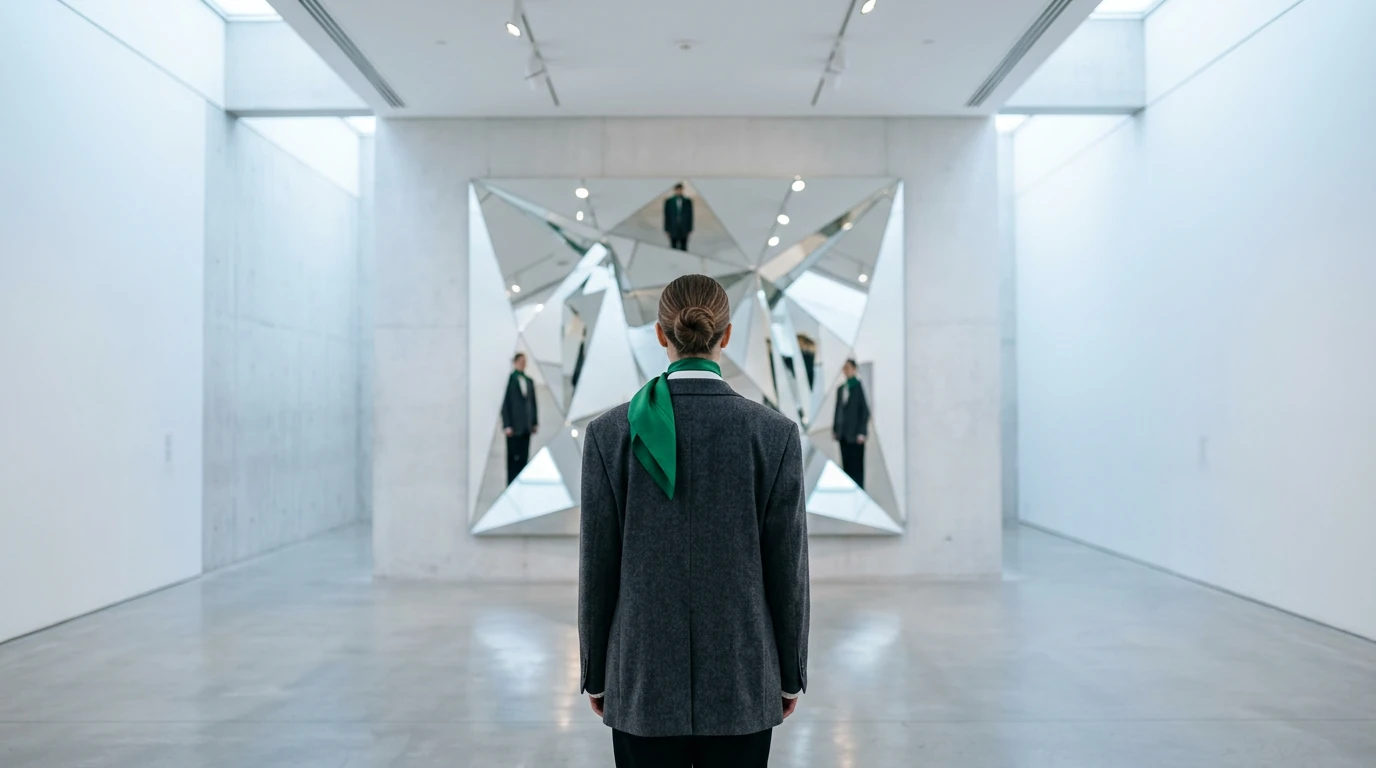
If there’s one investment piece that offers maximum return, it’s the classic blazer. It possesses a unique ability to adapt to nearly any situation. Thrown over a simple graphic tee and jeans, it instantly elevates a casual look. Paired with tailored trousers or a slip skirt, it’s ready for a business meeting or a advanced dinner.
The underrated factor here is the cut. A slightly oversized, single-breasted blazer in black, navy, or camel offers the most flexibility. Look for quality fabrics like wool or a wool-blend that hold their shape. It’s the ultimate tool for mastering modern style for every occasion, acting as the sartorial equivalent of a Swiss Army knife.
Quality Over Quantity: Making Smart Purchases
“Think of your wardrobe like stocking a pantry,” explains personal stylist Anya Petrova. “You need the flour, sugar, and salt—your foundational pieces—before you start buying specialty spices like saffron.” This mindset is about prioritizing craftsmanship, fabric, and fit over fast-fashion temptations.
Making a smart purchase involves a simple calculation: cost-per-wear. A $50 trendy top that you wear four times before it pills or goes out of style costs $12.50 per wear. In contrast, a beautifully made $250 cashmere sweater that you wear 50 times over several years costs just $5 per wear. The initial sticker shock fades when you consider the long-term value (and the reduced closet clutter).
This shift requires patience. It means saving up for that perfect leather jacket instead of buying three cheaper alternatives. By focusing on building Your Signature Style through quality staples, you create a wardrobe that not only looks better but also feels more authentic to you. Ultimately, this foundation gives you the freedom to play with trends more thoughtfully, knowing your core style is always secure.
The Only Trend That Matters
Ultimately, the endless cycle of micro-trends and aesthetic cores can become a distraction from the true purpose of style: self-expression. While understanding the difference between a minimalist trench and a maximalist print is useful, the most significant fashion skill to cultivate is a strong personal filter. It’s the ability to see a popular look, appreciate it for what it is, and confidently decide, “That’s not for me.”
Perhaps the most forward-thinking trend, then, isn’t an item of clothing at all. It’s the conscious act of opting out, of choosing longevity over novelty, and of building a wardrobe that tells a personal story rather than echoing a fleeting moment. As you move forward, the most impactful question to ask isn’t “What’s in style right now?” but rather, “How can I use these ideas to become more myself?” Answering that is the key to a style that will never fade.
Frequently Asked Questions About Fashion Trends
1. How often do fashion trends change?
Major fashion trends often shift seasonally, with new collections presented in spring/summer and fall/winter cycles. with the rise of social media, micro-trends can now emerge and fade within a matter of weeks, creating a much faster and more fluid trend landscape.
2. What are the most accessible fashion trends for beginners?
For beginners, the most accessible trends are often those involving accessories, colors, or simple silhouettes. Incorporating a trendy color with a scarf or handbag, or trying a new denim cut, allows you to experiment without overhauling your entire wardrobe or making a large investment.
3. Can I mix different fashion trends in one outfit?
Absolutely! Mixing trends is a sign of advanced personal style. The key is to find a common thread, such as a complementary color palette or a similar mood, to tie the different elements together. For example, you could pair a minimalist blazer with trendy, wide-leg patterned trousers.
4. How do I find my personal style within current trends?
Start by identifying which trends genuinely excite you and align with your lifestyle. Create a mood board and notice recurring themes. Experiment by incorporating one new trend at a time with your existing favorite clothes to see how it feels, ensuring you remain authentic to yourself.
5. Where can I find inspiration for current fashion trends?
Inspiration is everywhere. Look to fashion magazines, runway shows, and street style from fashion weeks. Social media platforms like Pinterest, Instagram, and TikTok are also powerful tools for seeing how real people interpret and adapt current trends for everyday life.