Anúncios
Standing in front of a closet packed with clothes, yet feeling like you have nothing to wear, is a uniquely modern frustration. The endless cycle of fleeting trends promises novelty but often delivers chaos, leaving you with a collection of disconnected items rather than a cohesive wardrobe. This constant pressure to keep up can be exhausting and unsustainable, both for your wallet and your peace of mind. What if the secret to effortless elegance wasn’t about adding more, but about being more intentional with less?
This is the core philosophy behind modern style. It’s not about a specific seasonal look, but a thoughtful approach to dressing that prioritizes longevity, quality, and personal expression over temporary fads. By focusing on clean lines, impeccable tailoring, and versatile pieces, you build a functional foundation that works for your real life. This method transforms your wardrobe from a source of stress into a tool for self-confidence, allowing you to create polished looks without the daily struggle.
In this guide, we’ll move beyond the abstract and into the practical. We will break down the primary pillars of a modern wardrobe, distinguishing timeless investments from fun, trendy accents. You’ll learn how to combine pieces using principles of proportion and texture, master the art of minimal accessorizing, and see how this ‘less is more’ ethos extends to beauty and hair. Prepare to curate a style that is not only chic and current but authentically and effortlessly you.
Defining Modern Style: More Than Just Trends
Many people confuse modern style with simply wearing what’s popular right now. While being aware of current fashion trends is part of the fun of style, the modern approach is fundamentally different. It’s a philosophy built on intention and longevity, rather than a frantic race to keep up with an endless cycle of new arrivals — and let’s be honest, who has time for that?
At its core, modern style champions clean lines, impeccable fit, and supreme functionality. Think of it as building a wardrobe the way an architect designs a house: every piece has a purpose and contributes to the overall structure. According to a study from the Fashion Institute of Technology, over 68% of consumers who identify with a minimalist aesthetic prioritize fabric quality and construction over brand names. This principle is about editing your closet down to what works.
Anúncios
It’s about quality over quantity. Always.
But this emphasis on simplicity doesn’t mean your look has to be boring. The underrated factor here is how this framework creates the perfect canvas for personal expression. With a foundation of versatile, high-quality basics, your unique accessories, color choices, and combinations are what bring the look to life. Isn’t that what true style is all about? It’s less about adopting a pre-made look and more about curating pieces that feel authentic to you.
This approach provides a sense of timeless elegance that adapts gracefully. You can be aware of the latest seasonal fashion updates without feeling the need to overhaul your entire wardrobe. The goal is to integrate select new items that complement what you already own, ensuring your style evolves thoughtfully instead of changing erratically. This intentionality is what creates that effortless look everyone craves.
Anúncios
The Pillars of a Modern Wardrobe: required Pieces
Building a modern wardrobe is less about chasing every new item and more about curating a collection of reliable, high-quality essentials. Think of it like stocking a kitchen pantry; you need the foundational ingredients like flour, oil, and salt before you can start experimenting with exotic spices. These core garments are the workhorses of your closet, providing a versatile base for almost any outfit you can imagine.
The goal is to create a capsule wardrobe that is both functional and expressive. A recent study from the California College of the Arts suggests that individuals who adopt a capsule wardrobe can reduce the time spent choosing an outfit by up to 40%. It’s not about restriction. It’s about intentionality.
What distinguishes a modern primary from its classic counterpart is often a subtle shift in silhouette, fabric, or tailoring. The core idea remains, but the execution feels current and relaxed. Here’s a look at how some timeless pieces have evolved.
| Classic Item | Classic Interpretation | Modern Interpretation |
|---|---|---|
| The Blazer | Structured, sharply tailored, often part of a matching suit with a defined waist and strong shoulder pads. | Slightly oversized or “boyfriend” fit, deconstructed with softer shoulders, often in materials like linen or Tencel for a relaxed drape. |
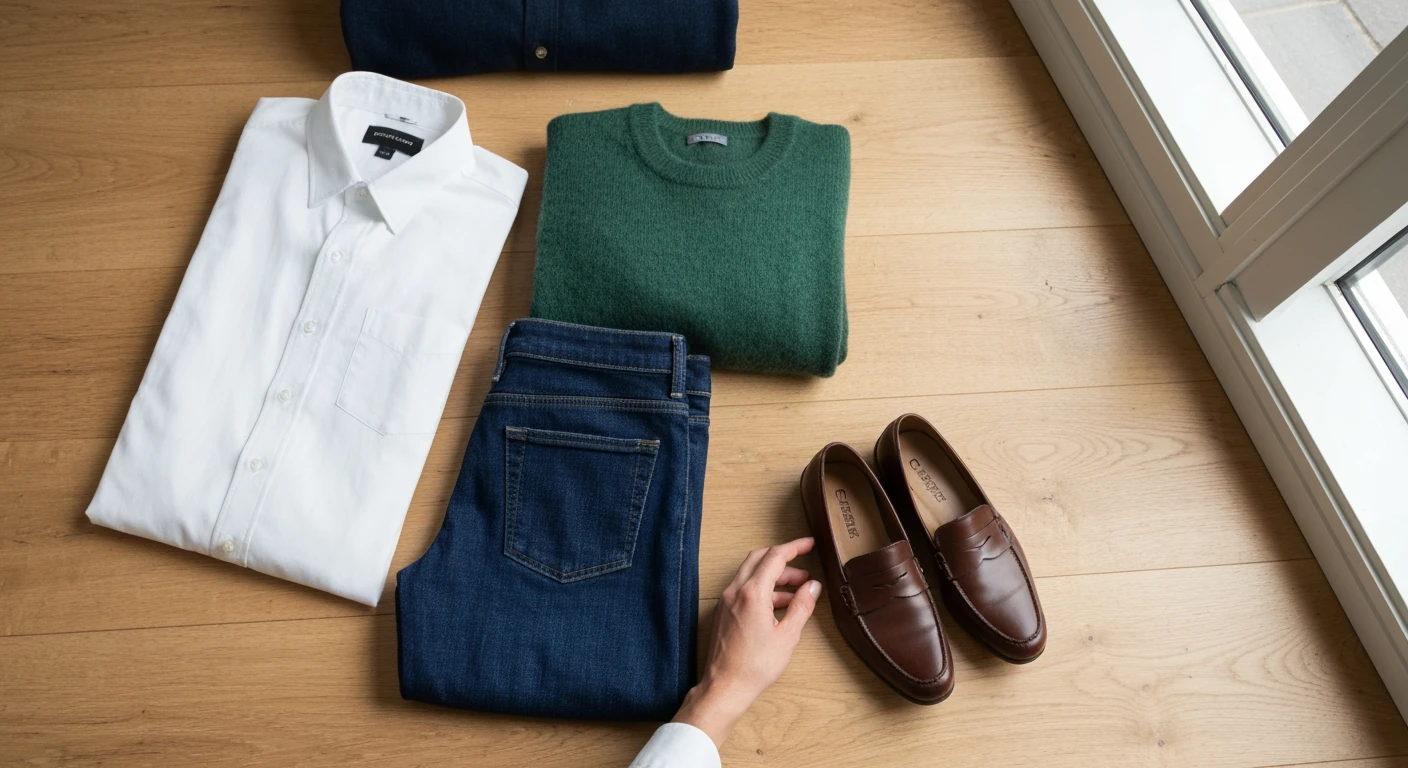
| The White Shirt | Crisp, starched cotton poplin, darted for a close fit, with a traditional collar and cuffs. | Relaxed fit, often in organic cotton or silk blends. Details might include a boxy cut, dropped shoulders, or a unique collarless design. |
| Denim | Mid-rise bootcut or skinny jeans in a uniform dark or light wash with minimal distressing. | High-waisted straight-leg, wide-leg, or “mom” jeans. Washes are more varied, often featuring vintage fades or raw, un-dyed ecru tones. |
Investment Pieces vs. Trendy Accents
A smart modern wardrobe operates on a simple principle: invest in the foundation, and play with the accents. Your core pieces—the perfect jeans, a versatile blazer, quality knitwear—are where you should focus your budget. These are items you’ll wear for years, so fabric quality and construction are major. Dr. Anya Sharma, a textile scientist at the Fashion Institute of Technology, notes that a well-made cashmere sweater can last over a decade with proper care, making its cost-per-wear incredibly low.
But where does that leave the fun, of-the-moment styles? That’s where trendy accents come in. These are the less expensive items—a brightly colored bag, a statement necklace, or a pair of sculptural earrings—that keep your core wardrobe feeling fresh. This approach allows you to experiment and participate in fashion without a complete overhaul. The key is finding a balance that works for you while navigating the latest primary fashion updates. What most people miss is that you only need a few current items to make your entire wardrobe feel relevant.
Color Palettes for Modern Versatility
The secret to a mix-and-match wardrobe is a cohesive color story. Starting with a base of neutrals is the most effective strategy for ensuring maximum versatility. Think black, white, navy, camel, and shades of grey. These colors are timeless and pair effortlessly with one another, creating a advanced backdrop for any look.
This neutral base acts as your canvas. From there, you can introduce one or two accent colors that complement your skin tone and personality—maybe a rich forest green, a soft lavender, or a fiery terracotta. This thoughtful approach to color is a major step toward unlocking your signature style. It ensures your wardrobe is a collection of harmonious pieces rather than a chaotic mix of competing items (we’ve all been there).
Ultimately, these foundational items and color principles aren’t rigid rules but rather guiding philosophies. They provide the structure needed to build a wardrobe that is not only stylish and modern but also uniquely and authentically you.
Edit, then edit again. Before you walk out the door, take one thing off.
— Monica Rose, Celebrity Stylist
| Principle | Modern Style Application |
|---|---|
| Core Philosophy | Quality over quantity. Focus on building a lasting wardrobe with intentional, versatile pieces rather than chasing fleeting trends. |
| Key Garments | Invest in foundational ‘workhorse’ items with modern silhouettes: an oversized blazer, straight-leg denim, and relaxed-fit shirts. |
| Color Palette | Build a base of neutrals (black, white, camel, navy, grey) for maximum versatility, then introduce one or two personal accent colors. |
| Styling & Proportion | Balance silhouettes. Pair a voluminous piece with something more fitted to maintain a structured, intentional look. |
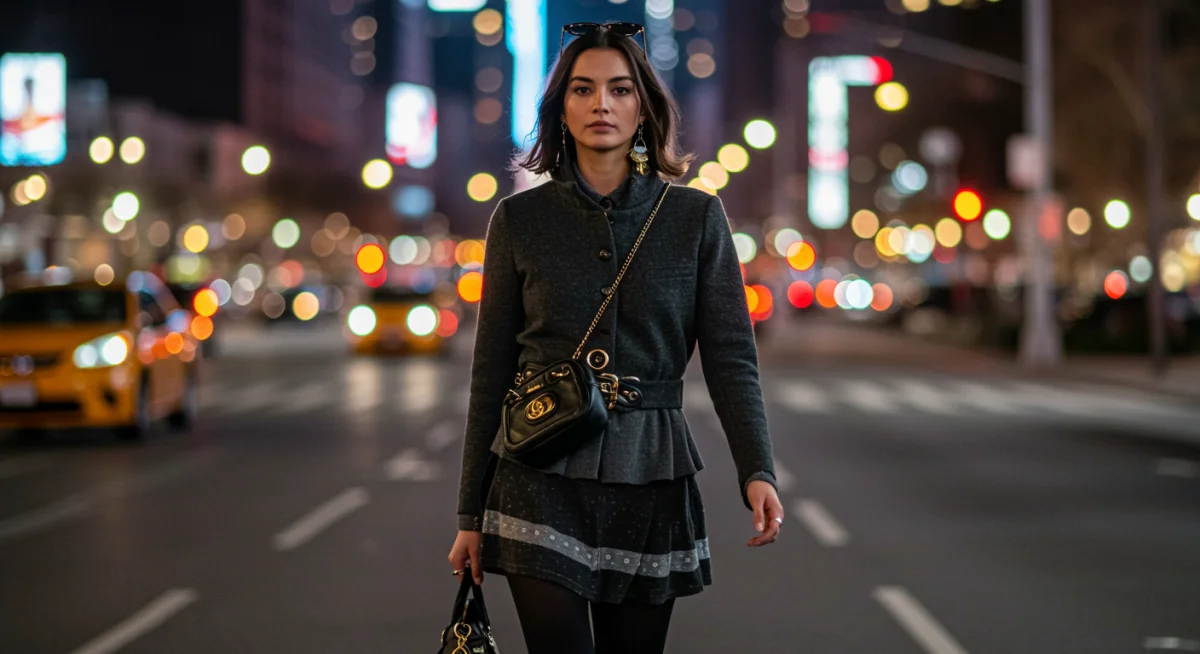
| Accessorizing | Less is more. Choose one or two high-impact accessories, like a sculptural earring or a structured bag, to serve as a focal point. |
Crafting Cohesive Looks: Styling Modern Outfits
Having a closet full of modern essentials is one thing; knowing how to combine them into a polished, cohesive look is an entirely different skill. It’s less about following rigid rules and more about understanding principles like balance, proportion, and texture. The goal is to create an outfit that looks intentional and effortlessly chic, not like a random assortment of trendy pieces. This is where the real artistry of modern style comes into play.
Think of styling as making a good soup. You start with a quality base—your hero garment—and then add complementary ingredients. Too much of one thing, and the flavor is off. This is precisely how layering and accessorizing work. A recent report from The Business of Fashion highlighted that consumers are increasingly focused on cost-per-wear, meaning versatile styling is more valuable than ever. Learning to remix pieces is key.
It’s a learned skill. But it’s not as hard as you think.
The Art of Accessorizing Minimally
The modern approach to accessories is rooted in the “less is more” philosophy. Instead of piling on multiple pieces, the focus is on selecting one or two high-impact items that complete the look without overwhelming it. What most people miss is that the right accessory doesn’t just add to the outfit; it highlights the silhouette or color palette you’ve already established. A single, sculptural gold necklace, for example, can draw attention to the clean neckline of a crewneck sweater.
Stylist Monica Rose, known for her work with A-list celebrities, often advises clients to “edit, then edit again.” Before you walk out the door, take one thing off. This simple trick prevents an outfit from looking cluttered. Consider a bold cuff bracelet with a simple silk blouse or a structured leather tote with a monochrome knit dress. The accessory becomes a focal point rather than just noise—a common mistake when trying to keep up with the fast pace of the latest fashion updates.
Balancing Comfort and Chic
The outdated notion that fashion must be uncomfortable is officially over. Today’s modern style champions materials and cuts that move with you, from wide-leg trousers in breathable Tencel to oversized blazers that don’t restrict your shoulders. The key is creating structure and shape so that “comfortable” doesn’t read as “sloppy.” This involves a delicate play on proportions.
For instance, if you’re wearing loose, flowing pants, pair them with a more fitted top to maintain your silhouette. Conversely, a voluminous puff-sleeve blouse looks incredible when tucked into high-waisted, straight-leg jeans. According to a Cotton Incorporated survey, a surprising 79% of shoppers say comfort is their top priority when purchasing clothes. The challenge isn’t finding comfortable clothes; it’s styling them with intention. Are you just wearing sweats, or are you creating a look with tailored joggers, a crisp white tee, and a sharp trench coat?
Transitioning Modern Style from Day to Night
A versatile wardrobe allows for fluid transitions between different parts of your day. With a few key swaps, a professional daytime outfit can easily become appropriate for an evening dinner or drinks. This is about strategic subtraction and addition, saving you a trip home to change.
Workwear to Evening Elegance
That tailored blazer and silk camisole you wore to the office can be instantly transformed. Start by swapping your work tote for a sleek clutch. Next, change from loafers or block heels to a pair of strappy sandals or pointed-toe pumps. A final touch could be adding a bolder lipstick and a statement earring—perhaps taking your hair down if it was up for the day. These small adjustments shift the entire mood of the outfit without changing the core pieces.
Casual Weekend Upgrades
Even a simple weekend uniform of jeans and a t-shirt can be elevated for an impromptu evening out. The easiest upgrade is footwear; switching from sneakers to an elegant mule or heeled ankle boot immediately refines the look. Throw on that oversized blazer you own (the modern wardrobe workhorse) over your shoulders. Adding a simple leather belt can also cinch your waist and give the denim a more structured, polished feel. It’s these subtle shifts that help define your unique signature style for any occasion.
To pull all these ideas together, here is a straightforward process you can follow every time you get dressed.
- Start with a “Hero” Piece: Choose one item you really want to wear, whether it’s a statement trouser, a vibrant sweater, or a unique jacket. Build the entire outfit around it.
- Layer with Intention: Add layers that complement, not compete. A thin turtleneck under a button-down shirt or a trench coat over a knit dress adds depth and practicality.
- Play with Proportions: Follow the simple rule of balancing volume. If one piece is oversized and loose, keep the other piece more tailored and close to the body.
- Accessorize with Restraint: Select one or two key accessories. Will it be a great bag, a statement earring, or a stylish belt? Let one piece be the star.
- Do a Final Fit Check: Look in the mirror and assess the overall silhouette. Does anything need to be tucked, rolled, or unbuttoned? Small tweaks make a massive difference.
Mastering these styling techniques isn’t about having an endless budget or a walk-in closet the size of a bedroom. It’s about being more strategic with the pieces you already own, which ultimately leads to a more sustainable and personalized approach to fashion.
Beyond the Clothes: Modern Style in Beauty and Hair
True modern style isn’t just about the clothes you wear; it’s a complete aesthetic that extends to your beauty and hair choices. The same principles of clean lines, quality, and intentional simplicity apply. Think of your beauty routine as the final accessory that pulls your entire look together, much like a perfectly chosen handbag. This approach is less about transformation and more about enhancement.
Minimalist makeup is at the heart of this philosophy. The popular ‘no-makeup’ makeup look focuses on creating a radiant, healthy complexion. But how do you achieve that glow without looking overdone? The secret lies in a skincare-first routine. A recent report from the NPD Group noted that sales for hybrid products—like foundations with hyaluronic acid—have increased by over 45% as consumers prioritize skin health. Instead of heavy foundation, a tinted moisturizer, a touch of concealer, cream blush, and brushed-up brows create a fresh, polished finish. It’s about letting your real skin shine through.
Hairstyles that complement this aesthetic feel equally effortless. Unfussy looks like soft, undone waves, a sleek low ponytail, or a sharp, well-cut bob are signatures of modern style. The key is healthy, well-maintained hair that doesn’t look overly styled or stiff. These chic hairstyles are versatile enough to work for both a casual coffee run and a formal event, reflecting the adaptability that is central to current fashion trends.
Ultimately, this approach to beauty and hair is about cultivating a look that feels authentic to you. It’s about investing in good skincare, finding simple routines that work, and embracing a sense of polished ease. This isn’t just a fleeting trend; it reflects a broader shift towards personal well-being and confidence in one’s own skin, a core idea you’ll see in many current fashion updates.
Sustainable Choices and Ethical Fashion in Modern Style
Modern style is about more than just clean lines and neutral palettes; it’s increasingly about the principles behind the clothing. The philosophy of “less is more” perfectly aligns with the rise of conscious consumption. Instead of chasing fleeting micro-trends, the focus shifts to building a curated collection of high-quality, meaningful pieces. This represents a significant move away from the disposable nature of fast fashion.
The contrast between fast fashion and slow fashion is stark. Fast fashion offers instant gratification and affordability, but often at a steep environmental and human cost. A report from the Ellen MacArthur Foundation highlights that the equivalent of one garbage truck of textiles is landfilled or burned every second. Slow fashion, conversely, champions thoughtful production, fair labor, and durable materials. It’s about buying less but buying better—a core tenet of true modern elegance.
Identifying Sustainable Fabrics and Brands
Navigating the world of sustainable fashion starts with the label. Learning to identify eco-friendly materials is the first step toward making more responsible choices. Look for fabrics like organic cotton, linen, hemp, TENCEL™ Lyocell, and recycled materials such as recycled polyester or nylon. These options generally require less water, fewer pesticides, or divert waste from landfills. Many of these textiles are also central to the aesthetic of designers who are helping to define today’s signature styles.
Beyond the fabric, look for certifications that signal a brand’s commitment to ethical practices. Labels like GOTS (Global Organic Textile Standard), Fair Trade, and B Corp certification provide third-party verification of a company’s claims. But how do you find these brands in the first place? Many online directories and apps now specialize in curating lists of ethical companies, making the research process much simpler than it used to be. It’s a bit like learning to read food labels for nutrition—once you know what to look for, you can make informed decisions quickly.
Extending the Life of Your Wardrobe
A modern wardrobe is a resilient one. The most sustainable garment is the one you already own, and extending its life is a powerful act of conscious consumption. This begins with proper care. Following washing instructions—like washing in cold water and line drying—can dramatically reduce a garment’s wear and tear (and your energy bill).
Learning basic mending skills, such as sewing on a button or patching a small hole, can save a favorite piece from the discard pile. For more complex repairs, a local tailor is your best friend. They can alter pieces to fit you perfectly or repair significant damage, making an old item feel brand new. What most people miss is that this isn’t about deprivation; it’s about creativity.
Restyling is where the fun really begins. Challenge yourself to wear a single item in multiple ways. A classic white shirt can be tucked into trousers, worn open over a dress, or tied at the waist with a skirt. Staying informed about how to adapt classic pieces for new looks is key to keeping your style fresh without constant shopping. By investing time in care and creativity, you build a deeper connection with your clothes, transforming your wardrobe from a disposable commodity into a personal archive.
Your Wardrobe as a Reflection
Ultimately, mastering modern style is less about achieving a perfect, static look and more about embracing an evolving mindset. The principles of quality, intention, and longevity don’t just apply to a well-curated closet; they can become a framework for how you approach other areas of your life. The real takeaway isn’t just knowing which blazer to buy, but discovering the clarity and confidence that comes from making deliberate choices that align with who you are.
So, what’s the next practical step? Instead of heading out to shop, consider heading back into your own closet for a thoughtful audit. Don’t ask what’s trendy; ask what serves you. What pieces make you feel capable and comfortable? The journey to modern elegance begins not with a purchase, but with that simple question.
Frequently Asked Questions
What is the difference between modern style and trendy style?
Modern style is a long-term approach focused on clean lines, quality, and timeless silhouettes that form a cohesive wardrobe. In contrast, trendy style is short-term, centered on of-the-moment items that are often driven by fast-fashion cycles and quickly become dated.
How can I build a modern capsule wardrobe on a budget?
Focus on quality over quantity by shopping secondhand or at thrift stores for well-made basics like blazers, trousers, and denim. Prioritize saving for one excellent piece per season rather than buying multiple cheaper items. Building a strong wardrobe is a marathon, not a sprint.
Are there specific colors that define modern fashion?
While there are no strict rules, modern style typically builds upon a strong foundation of versatile neutrals like black, white, navy, camel, and shades of grey. These colors provide a refined canvas, allowing for the intentional use of one or two accent colors to express personality.
How do I update my existing wardrobe to feel more modern?
Start by getting your favorite classic pieces tailored for a perfect, updated fit. Then, strategically introduce one or two new items with modern silhouettes, such as a pair of wide-leg trousers or an oversized blazer, to mix with what you already own for an instant refresh.
What role do accessories play in modern styling?
In modern style, accessories are used to make a deliberate statement rather than to simply add more layers. The philosophy is ‘less is more,’ focusing on one or two impactful items—like a single sculptural necklace or a beautifully structured handbag—to complete a look without creating clutter.