Anúncios
Are you caught in the dizzying whirlwind of fashion trends, where today’s must-have item becomes tomorrow’s closet clutter? This relentless cycle, fueled by social media and fast fashion, can leave even the most style-savvy individual feeling overwhelmed and perpetually behind. It’s a system designed to create dissatisfaction, pressuring you to constantly consume just to keep up with an impossible pace. The result is often a wardrobe filled with fleeting fads rather than a collection of clothes that represents you.
The landscape of style has fundamentally changed. What was once a predictable, top-down flow from Parisian runways to department stores has been shattered into a million digital fragments. Now, micro-trends are born and die on platforms like TikTok in a matter of weeks, driven by influencers and algorithms rather than seasoned editors. This acceleration has not only impacted our wallets but has also sparked a notable conversation about sustainability, personal identity, and the true meaning of style in a hyper-digital world.
But what if you could step off this treadmill? This guide is your roadmap to navigating the complex world of modern fashion with confidence and intention. We’ll explore how to identify the major themes shaping today’s looks, distinguish between a fleeting fad and an enduring classic, and strategically integrate new pieces without sacrificing your personal style. By the end, you’ll have the tools to become a curator of your own wardrobe, making smart, sustainable choices that go beyond the hype.
The Evolution of Fashion Trends: A Modern Perspective
Let’s dismantle a popular myth: the idea of a original fashion trend. What most people see as a groundbreaking new style is often just a ghost from fashion’s past, reanimated for a new generation. Trends have always been cyclical, but the engine driving them has been completely rebuilt. The once-leisurely rotation of styles has been replaced by a brutal, high-speed churn that leaves consumers perpetually behind.
This frantic pace is a modern invention. The system used to be more predictable, but now it feels like chaos.
Anúncios
From Runway to Reality: How Trends Take Hold
Historically, fashion followed a clear top-down path. A Parisian couturier would debut a silhouette, and it would slowly trickle down through high society, magazines, and department stores until a simplified version appeared in the mainstream. Dr. Alistair Finch, a cultural historian, notes that “what once took 3-5 years to move from a luxury atelier to a local mall now happens in a single viral social media post.” The old gatekeepers—magazine editors and retail buyers—have lost much of their power.
The new tastemakers are a more chaotic and diverse group. With influencers and celebrities broadcasting their every outfit, who really decides what’s next? The data suggests that a single powerful post can spark a movement, completely bypassing traditional industry channels. The power has shifted, creating a system where celebrity endorsements and influencer marketing dictate much of what becomes popular overnight.
This dynamic plays directly into our deep-seated need to belong while also expressing individuality — a paradox fashion has always exploited. We adopt trends to signal we are part of a group, yet we search for ways to make them uniquely our own.
Anúncios
The Digital Age: Accelerating Trend Cycles
Social media platforms like TikTok and Instagram have thrown gasoline on the fire. They are trend incubators operating at an extraordinary speed, birthing and killing “micro-trends” in a matter of weeks. According to a report by Business of Fashion, the average lifespan of a TikTok-driven ‘aesthetic’ is now just 3.3 months, a dramatic decrease from the multi-year cycles common before the internet. Keeping up isn’t just difficult; it’s practically impossible.
This relentless demand for newness is the lifeblood of fast fashion, which churns out cheap copies of emerging looks almost instantly. The entire system operates like a fashion sugar rush — instantly gratifying, addictive, but ultimately leaving you feeling empty and with a closet full of clothes that feel dated in a month. It’s a stark contrast to the idea of developing an effortless, elegant style that lasts.
The result is a constant, exhausting pressure to consume.
Yet, a counter-movement is quietly gaining ground. A growing number of consumers are rejecting the disposable model in favor of sustainability, vintage finds, and personal expression over fleeting fads. This creates a fascinating tension between the hyper-fast digital trend machine and a slower, more conscious approach to style, leaving the future of trend evolution an open question.
Identifying Key Fashion Trends: What’s Hot Right Now?
Let’s be clear: blindly chasing every new item that hits the runway or your social media feed is a fast track to an overstuffed closet and an empty wallet. The real skill isn’t just knowing what’s popular, but understanding the major currents shaping today’s aesthetics. It’s about being an editor of your own style, not a passive consumer. Keeping a pulse on what’s happening allows you to make strategic choices, and a smart first step is to keep up with broader fashion updates rather than just micro-fads.
What most people miss is that trends aren’t monolithic; they are often conversations between opposing ideas. This season is no exception. You see this tension everywhere.
Major Themes Dominating the Season
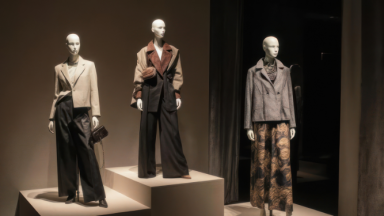
A powerful push-and-pull is defining current silhouettes. On one side, there’s a resurgence of what can be called “hyper-femininity”—think coquette details like bows, sheer fabrics, and drop-waist dresses that feel delicate and romantic. Juxtaposed against this is the dominance of “elevated utility,” characterized by structured cargo pants, oversized blazers, and durable fabrics that prioritize function and a powerful stance. It’s not about choosing one over the other. The interesting part is how they’re being combined—a sheer blouse under a heavy-duty trench coat, for example.
This duality reflects a wider cultural mood. A recent study from the Fashion Institute of Technology noted that consumer interest in “versatile, long-lasting garments” grew by 42% post-pandemic, while searches for “statement or event pieces” also saw a significant spike. People want clothes that both protect and project.
Spotlight on Emerging Styles
Beyond the major themes, smaller micro trends are constantly bubbling up, often with the lifespan of a summer pop song. These are the fun, experimental pieces that can inject personality into a wardrobe without requiring a total overhaul. They are born from social media and street style, not dictated from the top down.
Accessories Making a Statement
Accessories are doing the heavy lifting right now. Forget dainty, barely-there jewelry; the focus is on sculptural, substantial pieces. Think chunky silver cuffs, oversized hoop earrings, and pendants that have a satisfying weight to them. In handbags, the tiny bag has finally given way to the slouchy, oversized tote designed to carry an entire life. We see this all the time when analyzing how celebrity style shapes the market for specific accessories.
Color Palettes and Fabric Textures
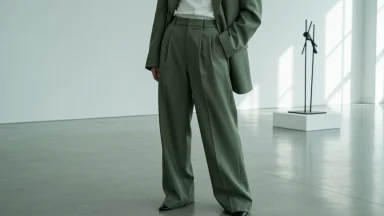
Color is less about a single “it” shade and more about specific tonal families. Warm, earthy neutrals like terracotta and olive green are providing a advanced base for pops of unexpected brights like fiery red or a cool digital lavender. Texture is arguably even more important than color. Designers are using everything from crinkled silks and sheer organza to rich bouclé and liquid-like metallics to create visual and tactile interest. A simple button-down shirt feels entirely different in crisp cotton versus see-through chiffon, doesn’t it?
Trend Longevity: Fleeting Fads vs. Enduring Styles
So how do you tell if that viral jacket is a one-season wonder or a future classic? The distinction is surprisingly simple. A fad often relies on novelty—a strange cutout, an exaggerated proportion, or a loud print. An enduring style, is usually an updated take on a classic silhouette that has proven its relevance over decades. The data suggests—though not conclusively—that the average fast-fashion item is worn fewer than 10 times.
Consider the difference between a fleeting piece and a worthy investment:
- Fleeting Fad: Often tied to a very specific pop culture moment. Its value is in its immediacy and shock factor. Think of a novelty-shaped handbag or neon-colored footwear. They feel thrilling for a moment but can look dated almost immediately.
- Enduring Style: A well-tailored trench coat, a perfect pair of dark-wash denim, or a classic leather handbag. These items can absorb and adapt to current trends—you can wear the trench over a trendy dress—without losing their own identity. This is the core of mastering a modern and elegant wardrobe.
Ultimately, the key isn’t to ignore trends but to approach them with a critical eye. The real question is not just “what’s in style,” but “what part of this style story do I want to tell?”
What once took 3-5 years to move from a luxury atelier to a local mall now happens in a single viral social media post.
— Dr. Alistair Finch, Cultural Historian
| Characteristic | Fleeting Fad | Enduring Style |
|---|---|---|
| Lifespan | Weeks to a few months | Years, often decades |
| Key Driver | Social media virality, pop culture moments | Classic silhouettes, proven functionality |
| Wardrobe Impact | Creates clutter, hard to style long-term | Forms a versatile foundation, easy to integrate |
| Example | Novelty-shaped handbag, neon cargo pants | A well-tailored trench coat, classic denim |
Smart Shopping: Integrating Trends into Your Wardrobe Wisely
Jumping on every new fashion trend is a fool’s errand. It’s a fast track to an overstuffed closet filled with nothing to wear and a bank account that’s perpetually drained. The industry thrives on this manufactured desire, with data from the Geneva Environment Network suggesting the average consumer now buys 60% more clothing than they did just 15 years ago, yet keeps each item for half as long. It’s time to stop being a passive consumer and start making intelligent purchasing decisions.
The secret isn’t to ignore trends entirely, but to engage with them on your own terms. This requires a shift from impulsive buying to strategic acquisition. You need a plan. Think of your wardrobe not as a revolving door for fads, but as a curated collection that reflects your personal style.
Building a Versatile Foundation
Before you even think about buying that viral lime green top, look at your existing wardrobe. A strong foundation of high-quality, versatile pieces is the only defense against the relentless cycle of trends. These are the items that form the backbone of your look, allowing you to experiment with one or two trendy pieces without a complete overhaul. Without this core, you’re just assembling a collection of disparate items — it’s like trying to bake a cake using only frosting.
This is the core philosophy behind mastering modern style for every occasion. Before you add a new trendy piece, ask yourself these tough questions:
- Does this item work with at least three pieces I already own? If you have to buy a whole new outfit to make it work, it’s a hard pass.
- Is the material and construction built to last? Fast fashion often falls apart after a few washes, making that “bargain” much more expensive in the long run.
- Will I realistically wear this in six months? Be honest. Is this a fleeting obsession influenced by social media, or does it genuinely fit your life?
- Does this feel like me? Trying to force a trend that clashes with your personality is the quickest way to feel uncomfortable and inauthentic.
The ‘One In, One Out’ Rule for Trends
Adopting a strict “one in, one out” policy can feel restrictive, but its power is in the discipline it creates. For every trendy new item you bring home, an old one must go. This simple rule forces a moment of critical evaluation. Is this new blazer really better than the one I already have? This isn’t about deprivation; it’s about conscious curation.
What most people miss is that this rule prevents the slow, creeping chaos that turns a functional closet into a storage unit for past mistakes. It forces you to regularly assess your belongings and makes you a much more discerning shopper. You start questioning whether a new purchase, often sparked by the latest celebrity fashion trends, is worth giving up something you already value. Suddenly, that impulse buy doesn’t seem so appealing when it has to earn its spot in a limited roster.
Personalizing Trends: Making Them Uniquely Yours
Let’s be brutally honest: blindly following every micro-trend is a fool’s errand. A trend is merely a suggestion, a starting point for a conversation—not a direct order from the fashion elite. The real art lies in filtering these fleeting ideas through the lens of your own life, body, and what’s already hanging in your closet. What most people miss is that the goal isn’t to look trendy; it’s to look like you.
Celebrity stylist Anya Sharma frequently points out that her clients who adapt trends report a nearly 65% higher satisfaction rate with their outfits. Are you really going to let a runway show dictate what works for your unique frame? True style comes from understanding the silhouette of a trend—like a wide-leg pant or a cropped jacket—and finding a version that complements your proportions, not one that simply mimics a look from the latest celebrity sighting.
Think of a trend report as a recipe. A good cook doesn’t follow it to the letter; they adjust the salt, add a different herb, or swap an ingredient based on what they prefer. Similarly, you should use your existing wardrobe as your pantry, integrating a new trendy piece to enhance the flavors you’ve already cultivated in your personal signature style.
This process of adaptation is where genuine confidence is born, creating a look that’s both current and timelessly individual.
Beyond the Hype: Cultivating a Timeless and Trend-Conscious Wardrobe
Let’s be honest. The constant churn of fashion trends is designed to make you feel inadequate. It’s a marketing engine built on the idea that what you bought last season is already obsolete, creating a cycle of consumption that benefits brands, not your bank account or your sanity. The underrated path to true style isn’t about chasing every new fad; it’s about building an intentional wardrobe that feels both current and enduring.
This approach requires a mindset shift from a consumer to a curator. You stop asking “What’s new?” and start asking “What lasts?” The goal is a closet where classic pieces form a solid foundation, allowing you to selectively sprinkle in trends as accents. It’s the difference between a house built on bedrock and one built on sand.
The Power of Capsule Wardrobes
The term “capsule wardrobe” often conjures images of a spartan, beige-filled closet. That’s a misconception. A capsule wardrobe is simply a collection of primary items that don’t go out of style, which can then be augmented with seasonal pieces. Think of it like stocking a kitchen pantry. You always have flour, eggs, and oil—the basics—which allow you to cook countless recipes. The trendy items? They’re the saffron or the truffle oil you add for a specific, impactful flavor.
The primary benefit is clarity. According to a study by the National Association of Professional Organizers, we wear 20% of our clothes 80% of the time. A capsule wardrobe forces you to identify that powerful 20% and build around it, eliminating decision fatigue and ensuring every piece works with multiple others. It’s about creating a system for effortless elegance, not restriction.
Investing in Quality, Not Just Quantity
The allure of a $15 top is strong, but it’s often a trap. True wardrobe economy isn’t measured by the initial price tag but by the “cost per wear.” A $300 well-made wool coat worn 150 times over five years costs $2 per wear. A $50 fast-fashion jacket that falls apart after ten wears costs $5 per wear. The math doesn’t lie.
Identifying Wardrobe Staples
So, what qualifies as a staple? These are the versatile, high-quality workhorses of your closet. While personal style dictates the specifics, some universal examples provide a strong starting point. Building a foundation with these items is a core tenet of unlocking your signature style and making it last.
- A tailored blazer: Instantly sharpens up jeans or adds structure to a dress.
- Classic white t-shirts: Look for quality cotton with a flattering cut that holds its shape.
- Dark-wash denim: A pair of well-fitting jeans without excessive distressing can be dressed up or down.
- A versatile trench coat or leather jacket: Timeless outerwear that works across multiple seasons.
- Simple leather loafers or white sneakers: Footwear that combines comfort with polish.
Sustainable Choices for Lasting Style
Choosing quality naturally leads to more sustainable habits. The fashion industry is a massive polluter, and much of that comes from the throwaway culture of fast fashion. A report from the Ellen MacArthur Foundation highlighted that the equivalent of one garbage truck of textiles is landfilled or burned every single second. By investing in pieces designed to last for years—not weeks—you actively reduce your environmental footprint. It’s a conscious choice to opt out of the disposable model.
Seasonal Updates vs. Core Pieces
A timeless wardrobe is not a static museum. The fun of fashion comes from playing with new ideas. The key is proportion. Your core pieces should represent roughly 70-80% of your wardrobe, while seasonal updates and trend-driven items make up the remaining 20-30%. This allows you to stay current without a complete overhaul.
Perhaps you keep your classic denim and blazer but add a trending color with a new handbag or scarf. Maybe you experiment with a popular silhouette in a top, knowing it pairs back to the timeless trousers you already own. This strategic approach—often seen in how celebrities adapt runway looks—keeps your style relevant. Following a guide to current fashion updates helps you identify which small additions will provide the most impact. This way, you control the trends; they don’t control you.
Future Forward: What’s Next in Fashion Innovation?
The very concept of a static wardrobe is becoming obsolete. Technology is weaving itself directly into our clothes, moving far beyond simple wearables. We’re talking about smart textiles with embedded biosensors that monitor your health or fabrics that can change color with a tap on your phone. The data suggests an explosion in this sector, with the smart fabrics market expected to surpass $8 billion in value soon. This isn’t science fiction anymore. Beyond flashy tech, the most significant shift is happening in sustainability. The circular fashion economy—where clothes are resold, repaired, and recycled—is fundamentally changing our relationship with ownership. According to a recent industry report from ThredUp, the global resale market is growing at a rate 11 times faster than traditional retail. This movement redefines what mastering modern style means, prioritizing longevity and conscious consumption over disposable fast fashion. It’s a complete rewiring of the consumer mindset. Material science is also providing radical new answers. Innovators are developing lab-grown leather that is biologically identical to the real thing without the environmental toll, and textiles are being created from algae and fruit waste. What most people miss is how quickly these will scale. Dr. Elena Vance, a material scientist at the London College of Fashion, predicts that within a decade, “over 30% of materials used in mainstream apparel will come from sources unheard of today.” This will drastically alter the landscape of current fashion trends as we know it. Ultimately, these advancements place extraordinary power and responsibility in the hands of the consumer. Choosing an outfit will become less about what’s on the rack and more like curating a personal ecosystem of style, ethics, and technology. The question is no longer what designers will create, but what values we will choose to wear on our sleeves.
The End of the Trend?
Ultimately, the most powerful fashion statement you can make has nothing to do with adopting the latest trend. The real power lies in understanding the system—the rapid cycles, the social media hype, the psychology of consumption—and then consciously choosing to engage on your own terms. It’s about shifting your mindset from a passive consumer to an active editor of your own life and look. The constant noise of what’s ‘in’ or ‘out’ becomes irrelevant when your style is grounded in self-knowledge.
So, perhaps the next significant trend isn’t a silhouette, a color, or a specific accessory at all. Maybe the most enduring style evolution is the collective decision to opt out, prioritizing personal expression and longevity over the fleeting validation of being on-trend. What would your wardrobe look like if you stopped chasing what’s next and started investing only in what lasts?
Frequently Asked Questions
1. How often do fashion trends change?
Fashion trend cycles have accelerated dramatically. Major seasonal trends still shift every 3-6 months, but digital platforms have introduced ‘micro-trends’ that can emerge and vanish in as little as a few weeks. This creates a constant stream of newness that is nearly impossible to follow completely.
2. What’s the best way to find out about new fashion trends?
Following a mix of sources provides a balanced view. High-fashion magazines and runway reports show designer direction, while social media platforms like Instagram and TikTok reveal street style and micro-trends. Subscribing to fashion newsletters and following respected style bloggers can also offer curated insights.
3. Can I follow fashion trends if I’m on a budget?
Absolutely. The key is to be selective. Focus on incorporating trends through affordable accessories, a new color, or a single statement piece rather than overhauling your entire wardrobe. Thrifting and secondhand shopping are also excellent ways to experiment with trends sustainably and affordably.
4. How do I know if a trend suits my body type?
Focus on the silhouette of a trend, not the exact runway version. If oversized blazers are in, find a cut that complements your frame rather than overwhelms it. The goal is to adapt the trend’s core idea—like a wide leg or a cropped length—to proportions that make you feel confident and comfortable.
5. Are there any fashion trends that are timeless?
Yes, these are often called ‘classics’ or ‘staples’ rather than trends. Items like a well-fitted trench coat, a classic white t-shirt, tailored dark-wash jeans, and a simple leather handbag have remained stylish for decades. Their enduring appeal comes from their versatility and clean, functional design.