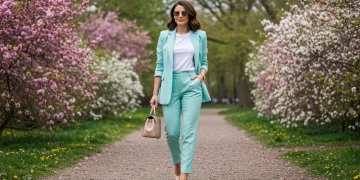
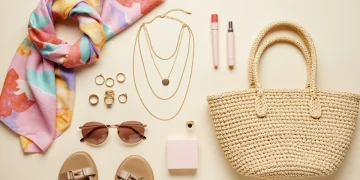
Seasonal Shift: 7 Transitional Outfit Ideas for Early 2026
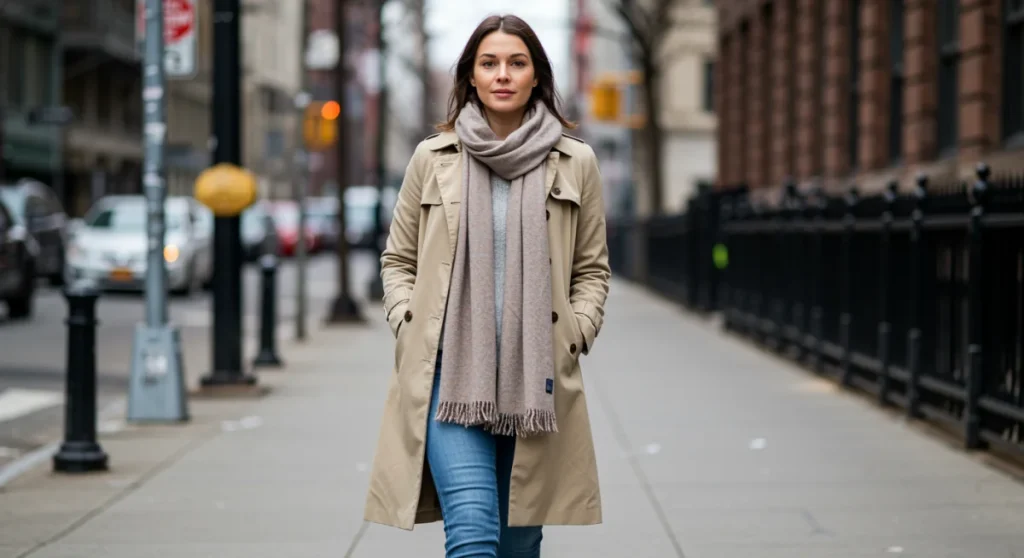
Mastering the seasonal shift in early 2026 involves strategically combining existing wardrobe pieces to create versatile transitional outfits that are both stylish and practical for fluctuating temperatures.
As the chill of winter slowly gives way to the promise of spring, navigating the temperamental weather of early 2026 can be a true fashion challenge. This calls for smart dressing, and mastering the seasonal shift: 7 transitional outfit ideas for early 2026 that maximize your existing wardrobe by 25% is key to staying stylish and comfortable without buying new clothes.
Embracing Layering: The Foundation of Transitional Style
Layering is not just a technique; it’s an art form, especially when dealing with unpredictable weather. Early 2026 demands a wardrobe that can adapt on the fly, allowing you to add or shed garments as temperatures fluctuate throughout the day. This approach ensures comfort and extends the wearability of your existing pieces.
Think of layering as building an outfit from the ground up, starting with a lightweight base and adding elements that can be easily removed. This thoughtful construction allows for maximum versatility, transforming a single outfit into several possibilities. It’s about making your clothes work harder for you.
The Power of a Good Base Layer
A solid base layer is the unsung hero of any transitional outfit. Opt for breathable fabrics that can regulate body temperature. Materials like cotton, merino wool, or even a good quality synthetic blend can provide comfort without bulk.
- Lightweight T-shirts: Essential for warmth under sweaters or jackets, easily worn alone if it gets warm.
- Long-sleeve tops: Perfect for cooler mornings, offering a bit more coverage than a short-sleeve tee.
- Camisoles or tanks: Ideal for adding a thin layer of warmth or modesty under sheerer tops without overheating.
Strategic Mid-Layers for Adaptability
Mid-layers are where you introduce more significant warmth or style elements. These are often the pieces that define the look of your outfit and provide the most flexibility.
Consider cardigans, light sweaters, or even denim shirts as excellent mid-layer options. They can be worn open or closed, adding texture and color to your ensemble. The goal is to have pieces that are easy to take off and carry if necessary, or to tie around your waist for a casual touch.
The beauty of strategic mid-layers lies in their ability to completely change the vibe of an outfit. A simple base layer can go from casual to chic with the addition of a tailored cardigan or a stylish knit vest. This versatility is crucial for maximizing your existing wardrobe.
Ultimately, embracing layering means you’re prepared for anything. It’s about creating depth and interest in your outfits while maintaining practicality. By thoughtfully combining different pieces, you unlock a multitude of looks from items you already own, truly maximizing your wardrobe’s potential.
The Versatility of Outerwear: Jackets and Coats for Every Scenario
Outerwear in early 2026 is far more than just protection from the elements; it’s a statement piece and a crucial component of any transitional outfit. The right jacket or coat can elevate a simple ensemble, provide necessary warmth, and adapt to changing conditions. Maximizing your existing wardrobe means understanding which outerwear pieces offer the most versatility.
Investing in a few key outerwear styles allows you to seamlessly transition between mild and cooler temperatures, ensuring you’re always appropriately dressed. These pieces often serve as the focal point of your look, so choose wisely and consider their ability to pair with various items you already possess.
Lightweight Jackets: Your Daily Go-To
For those days when it’s not quite cold but not warm either, a lightweight jacket is indispensable. These pieces are easy to throw on, provide just enough warmth, and can be styled in countless ways.
- Denim Jacket: A timeless classic that pairs with virtually everything, from dresses to jeans.
- Utility Jacket: Offers a slightly more structured and practical look, often with useful pockets.
- Bomber Jacket: Adds a sporty, contemporary edge to any outfit.
Transitional Coats: Blending Style and Function
When the weather leans cooler, a transitional coat becomes your best friend. These are heavier than jackets but lighter than full winter coats, making them perfect for early spring mornings and evenings.
A classic trench coat is a prime example of a transitional coat. Its water-resistant properties and timeless design make it suitable for both rain and shine, effortlessly adding sophistication to any look. Similarly, a lightweight wool blend coat can offer warmth without being overly heavy, providing a polished finish to your ensemble.
Consider the fabric and cut when selecting transitional coats. A well-tailored coat can instantly elevate even the most casual outfit, making you look put-together with minimal effort. This strategic use of outerwear is a cornerstone of maximizing your existing wardrobe for the seasonal shift.
Mixing Textures and Fabrics: Adding Depth to Your Outfits
The secret to creating visually interesting and comfortable outfits during the seasonal shift lies in skillfully mixing textures and fabrics. This technique adds depth and dimension, preventing your look from appearing flat, especially when layering is involved. It’s about creating a tactile experience that is both stylish and functional for early 2026.
By combining different materials, you can achieve a dynamic aesthetic while also adapting to temperature changes. For instance, pairing a soft knit with structured denim or a flowing silk blouse with a rugged leather jacket creates an engaging contrast that is inherently fashionable.
The Contrast Principle: Soft Meets Structured
One of the easiest ways to mix textures is by playing with contrast. This means pairing items that have distinctly different feels and appearances.
Imagine a delicate lace top under a chunky knit cardigan, or a sleek satin skirt with a relaxed cotton sweatshirt. These combinations create visual interest and highlight the unique qualities of each fabric. The contrast principle ensures that your outfits are never boring and always have a touch of unexpected flair.
Furthermore, this approach allows for diverse temperature regulation. A structured blazer over a soft, thin cashmere sweater provides warmth and style, and either piece can be removed if the weather changes. This thoughtful combination is essential for navigating the seasonal shift effectively.
Incorporating Different Fabric Weights
Beyond just texture, consider the weight of your fabrics. Transitional outfits thrive on a blend of light, medium, and sometimes even slightly heavier materials. This isn’t just for aesthetic appeal, but also for practical comfort.
- Lightweight cotton shirts: Excellent as a base layer or for warmer moments.
- Medium-weight denim or corduroy: Adds structure and a bit more warmth for mid-layers or bottoms.
- Fine-gauge knits: Offer warmth without bulk, perfect for layering under jackets.
By consciously mixing textures and fabrics, you not only enhance the visual appeal of your outfits but also create a more adaptable wardrobe. This strategy is key to maximizing your existing pieces, allowing them to feel fresh and relevant throughout the entire seasonal shift.
The Power of Accessories: Elevating Simple Looks
Accessories are the unsung heroes of any wardrobe, especially during the seasonal shift. They possess an incredible power to transform a simple, existing outfit into a completely new and exciting look, often without the need for new clothing purchases. For early 2026, leveraging accessories is a prime strategy to maximize your existing wardrobe by 25% or more.
From scarves to belts, and jewelry to footwear, the right accessory can add a pop of color, introduce a new texture, or simply provide an extra layer of warmth when needed. They are the finishing touches that pull an entire ensemble together, making it feel intentional and polished.
Scarves: The Ultimate Transitional Accessory
Scarves are arguably the most versatile accessory for transitional weather. They can provide warmth on a chilly morning, add a splash of color, or introduce a pattern to an otherwise monochromatic outfit.
A lightweight silk scarf can instantly elevate a simple t-shirt and jeans, while a thicker knit scarf offers both style and comfort on a cooler day. Experiment with different tying techniques to create varied looks, from a classic knot to a relaxed drape.
- Silk scarves: Add elegance and a touch of luxury.
- Cotton or linen scarves: Breathable and casual, perfect for warmer days.
- Lightweight knit scarves: Provide warmth without being bulky.
Belts and Jewelry: Defining and Enhancing
Belts are fantastic for defining your silhouette, especially when layering. Cinching a belt over a loose dress or a long cardigan can create a more structured and flattering shape. They also offer an opportunity to introduce different textures, like leather or woven materials.
Jewelry, even subtle pieces, can significantly impact an outfit. A statement necklace can draw attention to your neckline, while delicate earrings can add a touch of sparkle. Don’t underestimate the power of a few well-chosen pieces to complete your look and express your personal style.
By thoughtfully integrating accessories, you breathe new life into your existing clothes. This cost-effective strategy allows for endless creativity and ensures your wardrobe feels fresh and relevant throughout the early 2026 seasonal shift.
The Midi Skirt and Dress: A Versatile Wardrobe Staple
The midi skirt and dress stand out as incredibly versatile staples for navigating the seasonal shift into early 2026. Their inherent adaptability makes them perfect for fluctuating temperatures, offering coverage without being overly warm, and providing a canvas for numerous styling possibilities. By incorporating these pieces, you can significantly maximize your existing wardrobe.
The midi length, falling typically between the knee and ankle, is universally flattering and suitable for a wide range of occasions. This makes them ideal for creating outfits that transition smoothly from day to night, or from casual outings to more formal settings, simply by changing accessories or layering pieces.
Styling Midi Skirts for Every Temperature
A midi skirt is a true chameleon. On cooler days, pair it with ankle boots, a cozy sweater, and a denim jacket. As the weather warms, swap the sweater for a lightweight t-shirt and the boots for sneakers or sandals. The key is to play with the top half and footwear.
Consider different fabrics for your midi skirts. A pleated satin midi skirt can be dressed up with a blouse and heels, or dressed down with a graphic tee and sneakers. A denim midi skirt offers a more casual, everyday vibe. The options are limitless, allowing you to create multiple looks from a single skirt.
Midi Dresses: Effortless Elegance and Comfort
Midi dresses offer similar versatility but with the added benefit of being a complete outfit in one piece. For early 2026, layer a long-sleeve top underneath a sleeveless midi dress for warmth, or throw a cardigan or blazer over a short-sleeve midi for added coverage.
- With Boots and a Cardigan: Perfect for cooler spring days, offering warmth and style.
- With Sneakers and a Denim Jacket: A casual and comfortable option for everyday wear.
- With Heels and a Blazer: Easily transitions a day dress into an evening look.
The midi skirt and dress truly epitomize smart dressing for the seasonal shift. By focusing on these adaptable pieces, you unlock a wealth of outfit combinations from your existing collection, proving that you don’t need a complete wardrobe overhaul to stay fashionable and prepared for changing weather.
Footwear Transitions: From Boots to Flats and Beyond
Footwear plays a pivotal role in successfully navigating the seasonal shift of early 2026. The right shoes not only complete an outfit but also provide essential comfort and protection as the weather changes from chilly to mild. Maximizing your existing wardrobe means having a selection of versatile shoes that can adapt to various temperatures and styles, ensuring you’re prepared for anything without needing an entirely new collection.
The transition from winter to spring often involves unpredictable conditions, from lingering frost to sudden sunny spells. Your footwear choices should reflect this variability, offering both warmth and breathability, and the ability to pair with diverse outfits.
Ankle Boots: Your Early Spring Essential
Ankle boots are arguably the most indispensable footwear for early spring. They offer more coverage and warmth than flats or sandals, making them perfect for cooler mornings, while still being stylish enough for a lighter, more spring-like outfit.
Pair ankle boots with midi skirts, dresses, or even cropped trousers. They seamlessly bridge the gap between winter and spring, providing a chic and practical option. Look for neutral colors like black, brown, or tan to ensure maximum versatility with your existing clothing.
Sneakers: Comfort Meets Casual Chic
As the weather warms, sneakers become a go-to for comfort and casual style. A clean, classic pair of white or neutral-colored sneakers can be dressed down with jeans or elevated with a flowy dress or tailored trousers, offering an unexpected yet fashionable contrast.
- White Sneakers: A versatile choice that brightens any outfit.
- Neutral-toned Sneakers: Blends effortlessly with various color palettes.
- Slip-on Sneakers: Convenient for quick changes and easy wear.
Loafers and Flats: Polished and Practical
For days when you need something a bit more polished than sneakers but don’t require the warmth of boots, loafers and ballet flats are excellent choices. They offer a refined look that can take you from the office to a weekend brunch.
These styles are perfect for pairing with trousers, skirts, or even dresses, adding a touch of sophistication without sacrificing comfort. By having a few key footwear options that span different levels of warmth and formality, you effectively maximize your existing wardrobe for the early 2026 seasonal shift, ensuring every outfit is complete and appropriate for the day’s weather.
The Capsule Wardrobe Approach: Curating for Longevity
Adopting a capsule wardrobe approach is a highly effective strategy for maximizing your existing wardrobe, especially during the early 2026 seasonal shift. This philosophy centers on curating a collection of versatile, high-quality pieces that can be mixed and matched to create a multitude of outfits. It’s about intentionality in your clothing choices, focusing on longevity and adaptability rather than fleeting trends.
By building a capsule wardrobe, you streamline your dressing process, reduce clutter, and ensure that every item in your closet serves a purpose. This approach not only saves you money in the long run by minimizing impulse purchases but also significantly boosts your ability to create stylish transitional outfits with ease.
Identifying Your Core Pieces
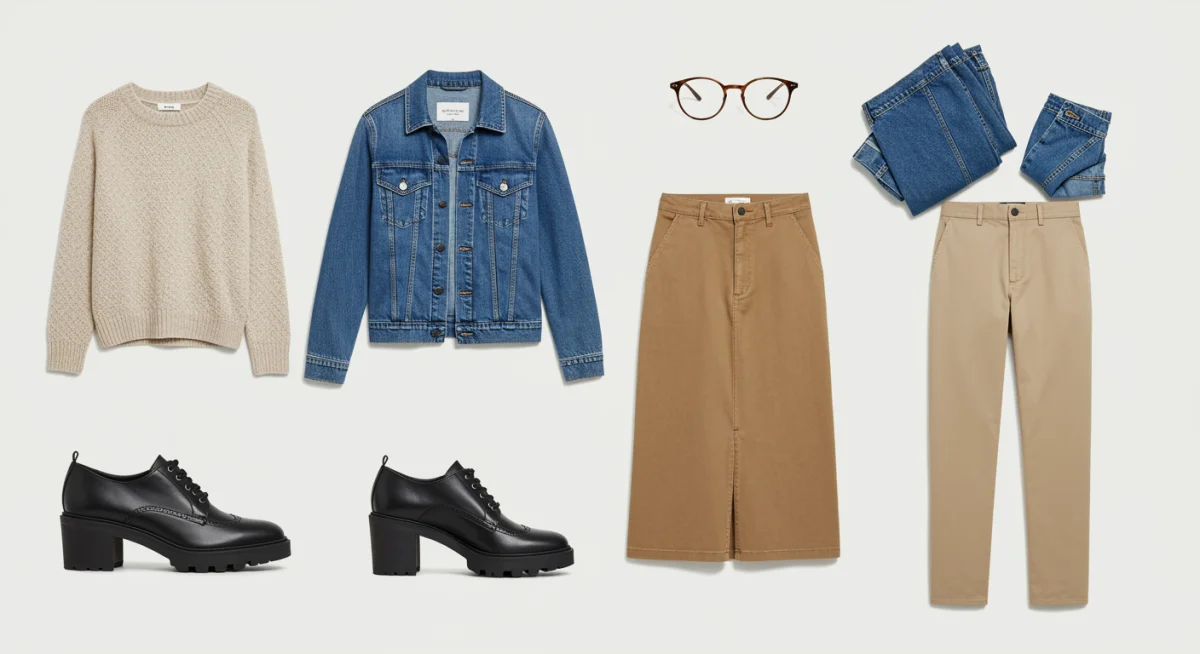
The first step in building a capsule wardrobe is to identify your core pieces. These are the foundational items that you wear most often and that form the basis of many outfits. Think timeless classics that reflect your personal style and can be dressed up or down.
- Neutral-colored trousers or jeans: Essential for countless combinations.
- Versatile tops: A mix of t-shirts, blouses, and light sweaters in neutral or complementary colors.
- Classic outerwear: A trench coat, denim jacket, or simple blazer.
Focusing on Quality and Versatility
When selecting pieces for your capsule, prioritize quality over quantity. Well-made garments tend to last longer, look better, and often fit more comfortably. Versatility is equally important; each item should ideally be able to be styled in at least three different ways.
Consider how colors and patterns interact. A cohesive color palette makes it easier to mix and match items, ensuring that most pieces in your wardrobe can be paired together. This thoughtful curation is what allows you to maximize your existing collection, creating a wardrobe that feels fresh and functional season after season.
Embracing the capsule wardrobe approach transforms how you think about your clothes. It encourages mindful consumption and creative styling, ensuring that your early 2026 transitional outfits are both chic and sustainable. This strategic method truly empowers you to make the most of what you already own.
Sustainable Styling: Making the Most of What You Have
Sustainable styling is more than just a trend; it’s a conscious choice to make the most of what you already own, reducing waste and promoting mindful consumption. For the early 2026 seasonal shift, embracing sustainable styling is intrinsically linked to maximizing your existing wardrobe by 25%. It’s about creativity, resourcefulness, and a commitment to dressing well without constantly buying new items.
This approach encourages you to look at your closet with fresh eyes, discovering new ways to combine pieces, repair items, and even repurpose garments. It’s a powerful way to enhance your personal style while also contributing positively to environmental efforts.
Re-evaluating and Repurposing
Before considering any new purchases, take time to re-evaluate your current wardrobe. What pieces have you neglected? Can a slightly worn item be repaired or altered to give it new life? Simple fixes like replacing a button, hemming a pair of trousers, or adding a patch can transform a garment.
Repurposing old clothes into new items is another fantastic sustainable styling technique. An old pair of jeans could become stylish shorts, or a large t-shirt could be cut into a crop top. These small acts of creativity not only save money but also reduce textile waste.
The Art of Accessorizing and Layering for Longevity
As previously discussed, accessories and layering are fundamental to maximizing your wardrobe. They are also pillars of sustainable styling. By using different scarves, belts, or jewelry, you can drastically alter the look of a core outfit, making it feel new without buying new clothes.
- Scarves: Add color, pattern, or warmth to countless outfits.
- Belts: Cinch waists, add definition, or introduce texture.
- Layering: Extends the wearability of garments across different temperatures.
Sustainable styling is about cultivating a thoughtful relationship with your clothes. It’s about appreciating the value in what you already possess and finding innovative ways to keep those pieces relevant and exciting. By adopting this mindset, your early 2026 transitional outfits will not only be stylish but also a testament to conscious fashion choices.
| Key Strategy | Brief Description |
|---|---|
| Strategic Layering | Combine light and medium pieces for adaptable comfort in changing temperatures. |
| Versatile Outerwear | Utilize lightweight jackets and transitional coats to elevate and adapt outfits. |
| Accessory Power | Elevate and transform existing outfits with scarves, belts, and appropriate footwear. |
| Midi Skirts/Dresses | Incorporate these adaptable lengths for effortless style across various temperatures. |
Frequently Asked Questions About Transitional Outfits
The main goal of transitional dressing is to create outfits that adapt to fluctuating temperatures during seasonal shifts, allowing comfort and style without a complete wardrobe overhaul. It focuses on versatility and maximizing existing garments.
Layering maximizes your wardrobe by enabling you to combine individual pieces in numerous ways. A single base top can be styled with various sweaters, jackets, or cardigans, creating multiple distinct looks from a limited number of items.
For early 2026, lightweight jackets like denim or utility styles, and transitional coats such as trench coats or light wool blends, are ideal. They provide adaptable warmth and style for unpredictable weather conditions.
Absolutely. Accessories like scarves, belts, and versatile footwear can dramatically alter and elevate simple outfits. They add pops of color, texture, and can provide extra warmth or define silhouettes, making existing clothes feel new.
Midi skirts and dresses are highly versatile for transitional periods because their length offers coverage suitable for varying temperatures. They can be easily styled with different layers and footwear to create diverse looks from casual to formal.
Conclusion
Navigating the early 2026 seasonal shift effectively doesn’t require a complete wardrobe overhaul. By strategically embracing layering, utilizing versatile outerwear, mixing textures, and leveraging the transformative power of accessories and adaptable pieces like midi skirts and dresses, you can effortlessly maximize your existing wardrobe. These mindful styling techniques not only ensure comfort and elegance through unpredictable weather but also promote a more sustainable approach to fashion, proving that smart choices can significantly enhance your style without constant new purchases.