Anúncios
Is your closet overflowing with clothes, yet you constantly feel like you have nothing to wear? This frustrating paradox isn’t a sign of poor taste; it’s a symptom of a basic disconnect between the life you live and the clothes you buy. We’re often sold a fantasy—the sequined dress for a gala that never materializes, the power suit for a job we don’t have. These aspirational purchases, fueled by social media and fleeting trends, clutter our spaces and our minds, leaving us with a wardrobe that reflects a stranger’s life instead of our own.
The truth is, the most powerful forces shaping your style aren’t found on a Parisian runway. They’re embedded in your daily routine, your career path, and your core values. The rise of remote work, a global focus on wellness and comfort, and a growing demand for sustainability are not just cultural shifts; they are the new arbiters of fashion. These macro lifestyle trends dictate everything from fabric choices to silhouettes, creating a new uniform for modern life. Understanding these undercurrents is the first step toward reclaiming control over your closet and your personal style.
This guide will empower you to stop being a passive consumer and become the chief curator of your personal brand. You’ll learn how to decode the major lifestyle trends impacting fashion today, from conscious consumption to the new emphasis on comfort. We’ll provide a practical framework for evaluating which trends deserve a place in your life, how to build a versatile core wardrobe that works for you, and where to strategically invest your money. It’s time to build a closet that serves your reality, saves you money, and makes getting dressed the easiest part of your day.
The Interplay: How Lifestyle Shapes Your Fashion
Let’s be blunt: your closet is probably telling a story you no longer live. Those impulse buys and trend-chasing pieces aren’t just fashion missteps; they are artifacts of a lifestyle that either never was or has long since passed. The evolution of your personal style is not random. It’s a direct, often brutally honest, reflection of your career, your social circles, and how you spend your weekends.
A recent survey from The Journal of Fashion Marketing and Management revealed that 72% of respondents admitted that the clothes they wear most often are directly tied to their professional life, not their fashion aspirations. Think about it. The wardrobe of a downtown lawyer, filled with structured blazers and silk blouses, has fundamentally different requirements than that of a gig-economy graphic designer, who prioritizes comfortable, creative layers. Your daily routine is the true curator of your closet—whether you like it or not.
Anúncios
This is the core of wardrobe psychology. So why do we keep buying clothes for a life we don’t have? That sequined dress for a gala we were never invited to or the hiking boots for trails we never walk are symptoms of a disconnect. The underrated factor here is the powerful influence of aspirational living, often fueled by images of how celebrity lifestyle trends shape our world. We shop for the person we think we should be, not the person who has to get through Tuesday.
A functional wardrobe is much like a kitchen pantry; stocking it with exotic ingredients you’ll never use just because a celebrity chef recommended them is a recipe for waste. Instead, you need the reliable staples that you reach for every single day. This is the secret to finding authentic personal style inspiration that actually works.
Ignoring the powerful link between your real life and your clothing choices is the fastest way to a cluttered closet and a perpetual “I have nothing to wear” crisis. The goal isn’t to stop loving fashion, but to make fashion love you back by aligning it with your actual, lived experience.
Anúncios
Decoding Current Lifestyle Trends: What’s Driving Fashion Now?
Fashion doesn’t just appear out of thin air. It’s a direct response to how we live, work, and what we value. The most powerful fashion trend drivers aren’t runway designers dictating from on high; they are the collective shifts in our daily existence. Understanding these undercurrents is the key to building a wardrobe that is not just stylish, but deeply relevant. Forget fleeting fads. This is about real life.
The entire system is being rewired by a few dominant forces. These aren’t just minor adjustments; they represent core changes in consumer psychology and behavior. From the materials we accept against our skin to the very purpose of an “outfit,” everything is on the table. The data suggests this is more than a passing phase.
The Rise of Conscious Consumption and Its Wardrobe Implications
Shoppers are finally asking tough questions. The once-opaque supply chain is being scrutinized, and the term “disposable fashion” is starting to leave a bad taste in people’s mouths. This isn’t just about environmentalism; it’s a move toward intentionality. A recent report from the Boston Consulting Group highlighted that over 75% of consumers view sustainability as a key purchasing factor, a figure that has grown significantly. People want clothes with a story they can stand behind.
This translates directly into the clothes we see in stores. You’ll find a greater emphasis on sustainable living fashion through materials like organic cotton, linen, Tencel, and recycled synthetics. Brands like Patagonia have built their entire identity on this ethos for decades, but now mainstream labels are scrambling to catch up. But is a “green” tag just another marketing ploy? Learning how to navigate fashion trends with confidence and savvy means looking past the advertising and understanding fabric origins and production methods.
The aesthetic itself has shifted. Think minimalist silhouettes, durable construction, and a neutral color palette that promotes mixing and matching. It’s a quiet rejection of the hyper-trendy, micro-season cycle. Your closet becomes less of a revolving door and more of a curated collection.
Wellness and Comfort: The New Everyday Uniform
The global focus on wellness has officially infiltrated our closets. If our lifestyle prioritizes mental well-being, stress reduction, and physical health, why would we tolerate restrictive, uncomfortable clothing? The rise of remote and hybrid work simply accelerated a trend already in motion. Comfort is no longer a weekend luxury; it’s a daily requirement.
This is the world of wellness fashion. It’s about “soft tailoring” with unstructured blazers, wide-leg trousers in jersey knits, and premium loungewear that looks polished enough for a video call. It’s the reason brands like Alo Yoga and Lululemon are seen far from any yoga studio. The fabrics tell the story—modal, bamboo, cashmere blends, and high-tech performance materials that offer stretch and breathability. This shift has given rise to countless ideas for elevating everyday outfits beyond basic sweats.
What most people miss is how this trend blurs the lines between public and private life, amplified by the outsized influence of celebrity fashion on social media. Dressing for yourself has become the ultimate power move. Building a wardrobe today is like stocking a modern kitchen; you need versatile, high-quality staples that make you feel good, not just a few fancy items for special occasions. The unresolved question is whether this profound shift toward personal comfort can withstand the inevitable return of more structured, demanding fashion cycles.
Investing in quality staples provides a ‘psychological anchor’ of confidence and preparedness.
— Dr. Jennifer Baumgartner, Psychologist and Author
| Strategy | Description | Key Benefit |
|---|---|---|
| Trend Adoption Checklist | A series of questions to evaluate if a trendy item aligns with your core style, existing wardrobe, and long-term use. | Prevents impulse buys and reduces wardrobe regret. |
| Build a Core Wardrobe | Focus on acquiring high-quality, versatile foundation pieces (e.g., classic coats, perfect-fit jeans, simple blouses). | Creates a stable base for integrating new trends and ensures you always have something to wear. |
| Strategic Splurges vs. Saves | Invest significant funds in timeless, foundational items and spend less on experimental, trendy pieces. | Maximizes your budget’s impact and builds a long-lasting, high-quality collection. |
Smart Shopping Strategies: Aligning Trends with Your Personal Brand
Let’s be brutally honest: most lifestyle trends are designed to make you spend money, not to make you stylish. The relentless cycle of micro-trends, often amplified by social media, creates a sense of urgency that benefits retailers far more than your closet. This constant pressure leads to impulse buys and a wardrobe full of disconnected pieces. It’s a trap. The only way to escape is to stop being a passive consumer and start acting like the chief curator of your own personal brand.
Developing a strong sense of self is your greatest defense against wasteful spending. Before you even think about adding a new item to your cart, you need a filter. Your style is that filter. It’s the difference between chasing every fleeting fad and making intentional choices that build a cohesive, long-lasting wardrobe. Think of it less as shopping and more as strategic acquisition.
Your Trend Adoption Checklist: Is It Right For You?
Impulse is the enemy of style. Before you buy into the next big thing—whether it’s a specific color, silhouette, or material—run it through a rigorous evaluation. A report from the market research firm Mintel suggested that nearly 45% of shoppers regret a trend-based purchase within six months. To avoid becoming a statistic, ask yourself these critical questions:
- Does it align with my core style? Beyond its current popularity, does this piece genuinely feel like “me”? If you stripped away the marketing, would you still be drawn to it?
- Can I style it at least three different ways with what I already own? A valuable addition should integrate seamlessly into your existing wardrobe, not require you to buy a whole new outfit to make it work. This is a non-negotiable test for versatility.
- Is the quality appropriate for the price? Examine the fabric, stitching, and hardware. Fast fashion trends often come in cheap materials that won’t survive more than a few wears—a terrible return on investment no matter how low the price.
- Will I still want to wear this in a year? This question forces you to separate fleeting desire from long-term appeal. It’s the ultimate test of an item’s staying power and a key part of how to successfully navigate the complexities of fashion trends.
- Am I buying this just because I saw it everywhere? Be honest. The power of repeated exposure, especially from celebrity influencers, is immense. Distinguishing genuine interest from manufactured hype is a skill you must develop.
Building a Versatile Core: The Foundation of Any Lifestyle Wardrobe
A wardrobe built entirely on trends is like a house with no frame—it will collapse under the slightest pressure. The secret to effortlessly integrating newness is having a rock-solid foundation of versatile, high-quality core pieces. These are the workhorses of your closet; the items that provide the canvas for your more expressive, trend-forward selections. Your core wardrobe isn’t about being boring; it’s about being smart.
These foundational items are defined by their simplicity, quality, and chameleon-like ability to adapt. They are the perfect-fitting jeans, the classic trench coat, the simple silk blouse, and the tailored black trousers. They are timeless because they aren’t tied to a specific moment. Investing here allows you to play with trends more freely—and cheaply—through accessories or a single statement piece, rather than overhauling your entire look every season.
Identifying Your Signature Style Elements
Your core wardrobe is the base, but your signature elements are what give it a personality. This is where you unlock your personal style. Perhaps it’s a love for a specific silhouette, like wide-leg trousers. Maybe it’s a color palette you always return to, or a preference for a certain texture like leather or cashmere. Identifying these recurring themes in your best outfits is critical.
Take an inventory of your most-worn, most-loved pieces. What do they have in common? Do you gravitate towards structured blazers, delicate jewelry, or bold, graphic prints? These are your style signatures. Once you know them, you can confidently assess which lifestyle trends complement your established aesthetic instead of clashing with it.
Strategic Splurges vs. Smart Saves: Where to Invest
Not all purchases are created equal. A successful wardrobe strategy involves knowing where to allocate your funds for maximum impact. Trying to build a closet is a bit like stocking a kitchen pantry; you splurge on the high-quality olive oil you use daily, but you buy the store-brand spices for a recipe you’re only trying once. The same logic applies to your clothes.
Strategic splurges should be reserved for your core, foundational items. Think coats, classic leather bags, well-made shoes, and timeless jewelry. These are items you will wear for years, and their cost-per-wear will eventually be incredibly low. Dr. Jennifer Baumgartner, a psychologist and author of “You Are What You Wear,” notes that investing in quality staples provides a “psychological anchor” of confidence and preparedness. It’s an investment in your daily self-assurance.
Conversely, smart saves are for the fun, trendy pieces you want to experiment with. That neon green top or the feathery accessory that’s all over your feed? That’s where you turn to more affordable retailers. If you end up loving it more than you expected, you can always look for a higher-quality version later. This approach lets you elevate your everyday style without risking your entire fashion budget on a piece that might feel dated in six months (and let’s be real, many of them will). This financial discipline is the final piece of the puzzle, ensuring your closet is rich in style, not just receipts.
From Trend to Timeless: Cultivating a Sustainable Wardrobe
Let’s be blunt: your closet is likely a graveyard of past lifestyle trends. It’s filled with pieces worn once or twice before being relegated to the back, victims of a fleeting moment. This cycle of buy-wear-discard isn’t just expensive; it’s an environmental disaster. The constant chase for the next hot thing creates a mountain of waste, with the EPA reporting that over 11.3 million tons of textiles end up in landfills in the U.S. alone each year.
Breaking free requires a conscious shift from chasing trends to building a collection. It means moving beyond the immediate gratification of a cheap top and focusing on longevity and ethical production. You can begin to unlock your personal style in a way that is both chic and responsible. This isn’t about deprivation; it’s about making smarter, more satisfying choices.
The Fast Fashion vs. Sustainable Fashion Dilemma
The choice often feels like a battle between your wallet and your conscience. Fast fashion offers instant access to runway looks at impossibly low prices, while sustainable brands come with a higher initial cost. But what most people miss is the hidden cost of “cheap” clothing. The real difference becomes clear when you compare them side-by-side.
| Attribute | Fast Fashion | Sustainable Fashion |
|---|---|---|
| Production Cycle | Weeks (50-100 micro-seasons per year) | Months (2-4 traditional seasons) |
| Quality & Materials | Low-grade synthetics (polyester, acrylic) | High-quality natural or recycled fibers (organic cotton, Tencel, linen) |
| Garment Lifespan | Fewer than 10 wears on average | Years, often decades with proper care |
| Cost-Per-Wear | Initially low, but high over time due to replacement | Initially high, but very low over its extended lifespan |
| Ethical Impact | Often linked to poor labor conditions and low wages | Prioritizes fair wages, safe conditions, and transparency |
Investing in Quality: Pieces That Endure
Choosing sustainable pieces is like opting for a home-cooked meal over fast food. The initial effort and cost are higher, but the result is more nourishing, satisfying, and fundamentally better for you. A timeless fashion piece is defined by its superior construction and classic design, allowing it to outlast any single trend. It’s a false economy to buy a $15 shirt that falls apart after three washes when a $75 shirt will last for a decade.
But how do you spot quality in a sea of options? Ignore the brand name and focus on the physical details. Check the seams for tight, dense stitching. Feel the fabric’s weight—flimsy material is a major red flag. The underrated factor here is the hardware; cheap zippers and buttons will always fail first. Calculating the cost-per-wear is a powerful mental tool that can help you justify investing in pieces that will elevate your everyday style for years.
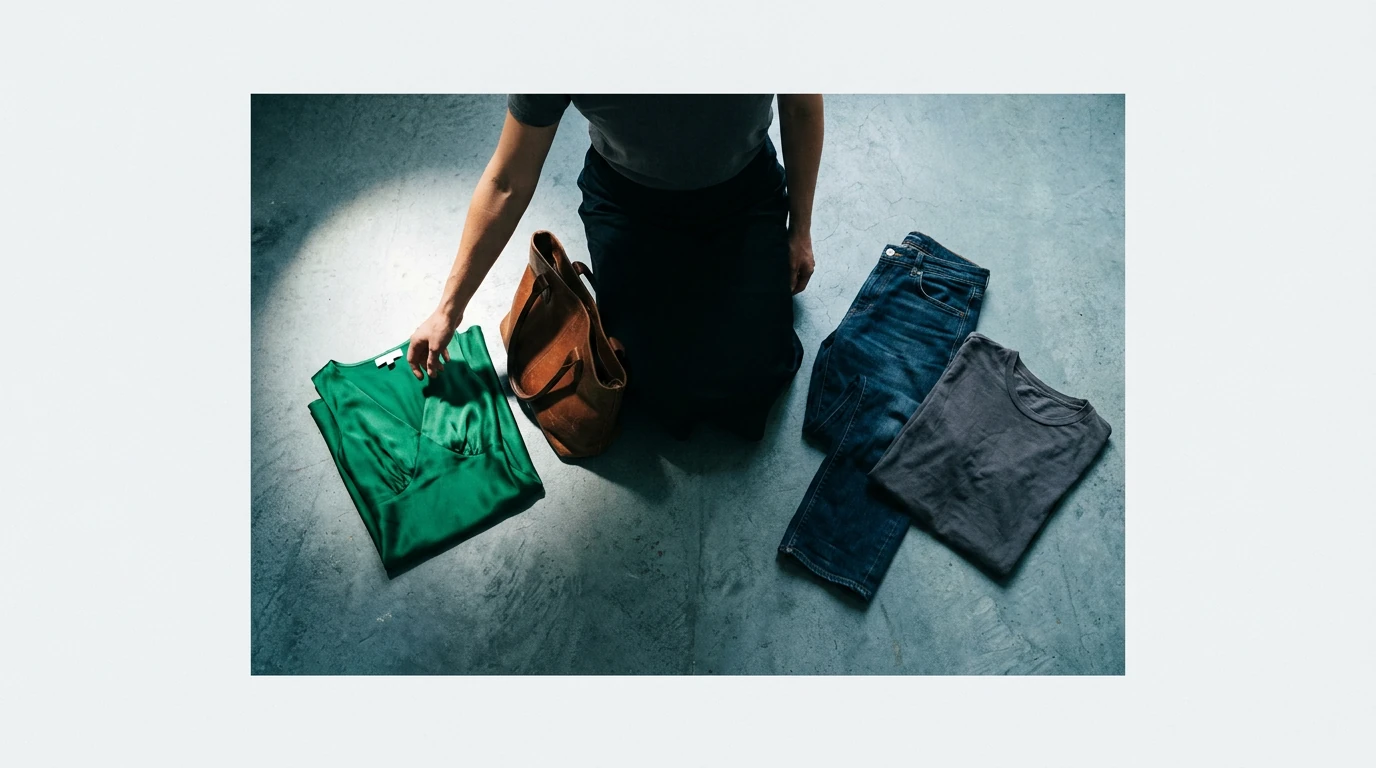
This is the core principle of a capsule wardrobe. It’s a curated collection of necessary, high-quality items that can be mixed and matched, creating dozens of outfits from a few core pieces. Think of a perfectly tailored blazer, a classic trench coat, or a pair of well-made leather boots. These items form the backbone of your style—and let’s be honest, they save you from that morning panic of having nothing to wear.
Ultimately, building a sustainable wardrobe means you buy less, but you buy better. Your closet stops being a chaotic reflection of fleeting celebrity influence and starts becoming a curated gallery of your personal taste, ready for any occasion.
Future-Proofing Your Style: Anticipating Tomorrow’s Lifestyle Shifts
Stop chasing trends. Most trend forecasting is just a high-fashion guessing game, but you can get ahead by watching how society itself is changing. The mass shift to remote work wasn’t predicted on a runway; it was a societal earthquake that created a new category of “work leisure” attire almost overnight. The real skill is learning to read these larger shifts—in technology, work, and social interaction—to understand the future fashion trends before they happen.
According to analysis from trend forecasters at WGSN, a significant driver of upcoming style will be the continued blend of our digital and physical lives. What most people miss is that this goes beyond simply selling clothes online. Think about digital-only outfits for online avatars or augmented reality filters that let you “wear” an item virtually. Is your closet prepared for a reality where your digital presentation matters as much as your physical one?
This isn’t about having a crystal ball.
Developing style agility is about making your wardrobe resilient. True adaptability isn’t buying new clothes every season; it’s about knowing how to elevate your everyday style with a few key pieces that respond to change. It’s like meal prepping for your closet—you’re not just thinking about today’s outfit, but creating a system that makes future choices easier. The most stylish people don’t just follow the leader; they anticipate and filter what’s coming next, especially when looking at how celebrity lifestyle trends shape our world.
The core challenge is to stop reacting and start anticipating. By focusing on lifestyle trend predictions, you can build a wardrobe that is an asset for your future self (and avoid the pieces that will look dated in six months). This proactive mindset is the ultimate key to curating a closet that feels both current and timeless.
The Ultimate Style Investment: Self-Knowledge
Ultimately, curating a wardrobe that serves you has less to do with fashion and more to do with self-awareness. The most stylish item you can ever own isn’t a particular brand of handbag or a specific cut of coat; it’s the clarity to know what to leave on the rack. Each time you pause and filter a potential purchase through the lens of your actual life—your schedule, your priorities, your budget—you are making an investment in yourself. So, the next time you’re tempted by a fleeting trend, ask yourself not just ‘Do I like this?’ but ‘Is this who I am?’ The answer will build a wardrobe, and a sense of self, that is timeless.
Frequently Asked Questions
How often should I update my wardrobe based on lifestyle trends?
Instead of frequent overhauls, focus on seasonal check-ins. Twice a year, assess what’s working in your closet and identify any gaps created by shifts in your lifestyle. Add only a few key pieces that align with your needs rather than chasing every new trend.
Can I follow lifestyle trends on a budget?
Absolutely. The key is to invest in a solid core wardrobe of timeless staples and use affordable options for trendy pieces. Experiment with new colors, silhouettes, or materials through accessories or fast-fashion finds that you won’t regret if they go out of style quickly.
What are the most impactful lifestyle trends on fashion right now?
The three dominant trends are conscious consumption, wellness-focused comfort, and the hybrid-work uniform. These manifest as a preference for sustainable materials, relaxed silhouettes like soft tailoring, and versatile pieces that transition from home to office.
How do I balance personal style with current trends?
Use your personal style as a filter. Before adopting a trend, ask if it genuinely complements your established aesthetic. A trend should feel like an enhancement to your look, not a costume you’re wearing to fit in with the moment.
Where can I find reliable information on emerging lifestyle trends?
Look beyond fashion magazines. Follow sociologists, market research firms like Mintel or WGSN, and business publications that analyze consumer behavior. These sources often identify the deep cultural shifts that will influence fashion long before they hit the stores.