Anúncios
Standing in front of a closet packed with clothes, yet feeling like you have nothing to wear, is a uniquely modern frustration. You see stylish people on the street and impeccably curated feeds online, but when it comes to your own wardrobe, it feels like a puzzle with missing pieces. This gap between the trends you see and the clothes that feel like you is where true personal style gets lost. The constant pressure to keep up can leave you with a collection of items that don’t speak to each other, or to you.
But what if style wasn’t about following a rigid set of external rules, but about developing a personal language? Building a wardrobe that you love is a skill, not an innate talent. It involves a bit of self-discovery to understand your own aesthetic DNA, from the colors that make you feel alive to the silhouettes that give you confidence. It’s about learning to see your closet not as a limitation, but as a palette of possibilities waiting to be mixed and matched in new and exciting ways.
This guide is your roadmap to moving beyond that feeling of wardrobe fatigue. We will explore how to pinpoint your core style, turning fleeting inspiration into a tangible aesthetic. You’ll learn the art of outfit remixing to get maximum value from the pieces you already own, how to thoughtfully integrate current trends without losing your identity, and where to find lasting style inspiration. It’s time to stop chasing fashion and start building a wardrobe that serves you.
Finding Your Style DNA: Beyond the Trends
Jumping on every new trend can be exciting, but it can also leave you with a closet full of clothes that don’t feel like you. True personal style is about creating a wardrobe that reflects your personality and lifestyle, not just what’s popular for a season. Think of it as your unique fashion fingerprint. The real skill is navigating fashion trends with confidence, picking and choosing what works for you rather than being led by them.
Discovering your core aesthetic means looking inward. It requires a bit of self-reflection to separate what you genuinely love from what you’ve been told to love. This process is less about rules and more about understanding what makes you feel comfortable and confident.
Anúncios
Defining Your Aesthetic: Comfort, Classic, or Bold?
Your style identity is often a blend of different fashion personalities. A recent study from the Retail Psychology Institute found that over 73% of consumers describe their personal style as a mix of at least two categories, like “classic with an edgy twist.” You don’t have to fit neatly into one box. The goal is to identify your dominant traits to build a more cohesive wardrobe.
Ask yourself a few key questions to get started:
- When you look in your closet, which three pieces do you wear most often and why?
- Think about an outfit where you felt your absolute best. What were you wearing and what did you love about it?
- Which celebrities or public figures have a style you admire? What specific elements draw you to their looks? (Hint: it’s often less about the exact item and more about the overall vibe!)
- How do you want your clothes to make you feel: Powerful, relaxed, creative, or something else entirely?
Your answers are the first clues to your style DNA.
Anúncios
Color Palettes and Silhouettes That Speak to You
Beyond general aesthetics, the specific colors and shapes you gravitate toward are core. Building a wardrobe is a bit like stocking a kitchen pantry; you need your foundational ingredients (your core colors and silhouettes) before you can start experimenting with trendy spices. What most people miss is how a consistent color palette can make getting dressed incredibly simple, as everything tends to mix and match.
Start by noticing which colors you feel best in—not just what you think you should wear. Do you lean toward warm, earthy tones, or do you feel energized by bright, saturated hues? Similarly, pay attention to silhouettes. Maybe you love the structure of a sharp blazer or the fluid movement of a wide-leg pant. Honing in on these preferences helps you elevate your everyday style with pieces that are guaranteed to flatter you.
This isn’t about restricting yourself. It’s about creating a strong foundation so you can confidently add new, exciting pieces that complement what you already own and love.
The Art of Outfit Remixing: Maximizing Your Wardrobe
Opening your closet should feel like looking at a box of possibilities, not a collection of one-hit wonders. The secret to endless style inspiration isn’t having more clothes; it’s learning how to get more out of the clothes you already own. This practice, often called “outfit remixing,” is about creatively combining pieces to create fresh looks without constantly shopping. It’s a sustainable and budget-friendly approach to fashion.
Think of it like cooking. A skilled chef can make dozens of distinct dishes from the same core ingredients. Your wardrobe operates on the same principle. With a bit of strategy, that one blazer can be the hero of a professional work outfit, a casual weekend look, and a chic evening ensemble. It’s all about knowing the recipe.
Foundation Pieces: Your Style Building Blocks
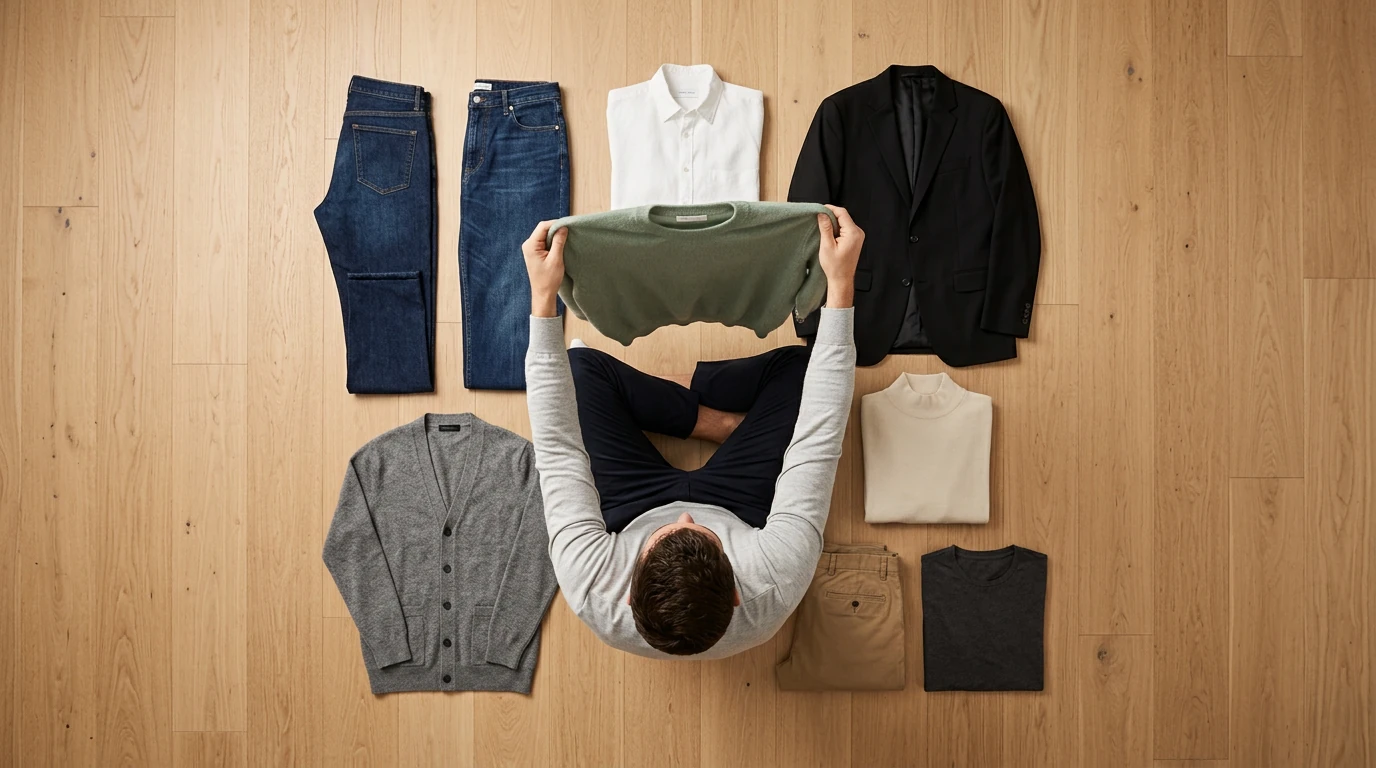
Before you can remix, you need a solid base. Foundation pieces are the versatile, high-quality items that form the backbone of your closet. These are typically neutral items like a classic white t-shirt, well-fitting denim, a tailored blazer, or a simple black dress. A study from the London College of Fashion found that the average person wears only about 20% of their wardrobe regularly. Those workhorse items are almost always foundational pieces.
Identifying these is your first step. They should be items you love, that fit you perfectly, and that can pair easily with more trend-driven pieces. Investing in quality for these core garments is smart, as they will get the most use and provide a reliable starting point for any outfit. Once you have these, you can begin to experiment with different outfit combinations.
Accessorizing Smart: The turning point
Accessories are the quickest way to change the entire vibe of an outfit. A simple jeans-and-tee combo can go from errands to dinner just by swapping sneakers for heels and adding a statement necklace. The underrated factor here is how much power lies in your jewelry, bags, belts, and scarves. They inject personality and context into your foundational looks.
Here’s a simple method for effective mixing:
- Start with a Base: Pick one foundation piece (e.g., your favorite jeans) and one other simple top or bottom (e.g., a silk camisole).
- Add a Third Piece: Introduce a layer for depth. This could be a leather jacket, a long cardigan, or a structured blazer. This simple addition immediately adds dimension.
- Accessorize with Intention: Now, choose your accessories. Are you going for a polished look with a structured handbag and gold hoops? Or a bohemian feel with layered beads and a crossbody bag? This is where your personal style shines and complements your efforts to unlock your radiance.
- Finish with Footwear: The shoes seal the deal. White sneakers say casual and cool, while pointed-toe flats suggest effortless sophistication.
Don’t be afraid to experiment. Sometimes the most unexpected combinations work the best.
Seasonal Transitions: Adapting Your Core Wardrobe
A versatile wardrobe works year-round. The key to making your favorite pieces span multiple seasons is mastering the art of adaptation, primarily through layering. Why should a favorite floral dress be relegated to just three months of the year? With the right additions, its lifespan can easily be doubled, giving you more ways to express your style.
This approach saves money and encourages a more conscious approach to consumption. It forces you to get creative, looking at each piece not for what it is, but for what it could be. This is a core tenet of mastering modern style and building a closet that serves you.
Layering Techniques for Different Climates
Layering is more than just throwing a coat over your outfit; it’s a strategic skill. For transitioning a summer dress to fall, try adding a thin merino wool turtleneck underneath. The fine-gauge knit adds warmth without bulk—a surprisingly effective trick. You can also layer over the dress with an oversized sweater, belting it at the waist to redefine the silhouette.
For colder climates, texture becomes your best friend. A chunky knit cardigan over a silk blouse or a fleece-lined denim jacket over a hoodie provides both visual interest and practical warmth. The influence of street style, which often showcases expert layering, has given us endless ideas. Seeing how celebrities influence fashion trends with their layered airport looks is a great source of real-world inspiration. This technique allows you to adjust to temperature changes throughout the day while keeping your look intentional and put-together.
Treat your wardrobe like an investment portfolio. Roughly 80% should be in reliable, long-term ‘blue-chip’ staples, while you can use the remaining 20% to speculate on exciting, high-risk trends.
— Anya Chen, Fashion Psychologist and Author of The Style Portfolio
| Inspiration Source | Best For | Pro Tip |
|---|---|---|
| Real-time trend spotting and discovering new brands. | Follow micro-influencers with a similar body type or budget for more relatable ideas. | |
| Creating long-term mood boards and defining your core aesthetic. | Use specific search terms like ‘classic minimalist summer outfits’ to refine your results. | |
| Street Style | Observing authentic, real-world outfit combinations and layering. | Look for interesting color pairings or unique ways people use accessories in your daily life. |
| Film & Art | Finding unconventional inspiration in color palettes and textures. | Take a screenshot or photo of a scene or artwork that catches your eye and analyze why you love it. |
Injecting Current Trends Thoughtfully into Your Look
Keeping up with the latest styles can feel like a full-time job. One minute, it’s all about quiet luxury; the next, bold patterns are everywhere. The secret is not to chase every single trend you see. Instead, focus on making small, strategic updates. This approach is key to mastering modern looks without losing your personal essence or breaking the bank.
Think of it like cooking your favorite meal. You don’t need a whole new recipe; sometimes, just adding a different spice is enough to make it feel fresh and exciting. The same logic applies to your wardrobe. Adding just one on-trend piece, like a pair of metallic flats or a structured vest, can instantly update several of your go-to outfits. This is a simple trick to elevate your everyday style without a complete closet overhaul.
But how do you decide which trends are worth trying? Look for adaptable items. A recent report from the fashion analytics firm Edited noted that accessories account for over 32% of initial trend adoption by consumers because they are a low-commitment way to experiment. A trendy handbag color or a style of jewelry—like chunky silver cuffs—can be mixed into your existing wardrobe easily. The underrated factor here is choosing trends that complement what you already own, rather than fighting against it.
The goal is evolution, not revolution.
By selectively adding new pieces, you create a look that feels current yet authentically you. This deliberate process is the foundation for navigating fashion trends with confidence. It ensures your style remains dynamic and personal, reflecting who you are right now.
Style Inspiration Sources: Where to Look Next
Once you have a handle on integrating trends, the next step is keeping your creative well full. Finding consistent style inspiration is less about copying outfits and more about collecting ideas that resonate with your personal taste. The digital world offers a flood of visuals, but the real world provides context and authenticity. Your job is to become a curator of what you love.
It’s about finding what genuinely speaks to you. Think of it like gathering ingredients for a new recipe; you pick a little something from here and a little something from there until you have the makings of a dish that is uniquely yours.
Digital Discovery: Blogs, Apps, and Influencers
Social media is the most immediate source of fashion content. Platforms like Instagram and Pinterest are visual search engines tailored for aesthetic discovery. A report from the Fashion Institute of Technology noted that over 65% of consumers under 30 made a purchase after seeing an item on a social media influencer. This shows just how powerful these platforms are in shaping our choices. Following a mix of established fashion blogs, micro-influencers with a similar body type or budget, and brands you admire creates a personalized feed of ideas.
But how do you choose the right platform for your needs? Each serves a slightly different purpose.
- Instagram: Best for seeing how trends are worn in real-time. It’s excellent for discovering new brands and seeing the immediate impact of celebrity influence on current fashion. The downside is that it can feel very trend-driven and ephemeral.
- Pinterest: Ideal for creating long-term mood boards and organizing ideas. It’s less about who is wearing what and more about the aesthetic itself, making it perfect for defining the overarching vibe of your style.
- Fashion Magazines (Digital): Publications like Vogue or Harper’s Bazaar offer high-fashion editorials and expert analysis. They provide a more polished, forward-looking perspective on where style is headed, which can help you navigate fashion trends with confidence.
Real-World Observations: Street Style & Beyond
Looking up from your phone provides a completely different—and arguably more valuable—source of inspiration. Street style isn’t about professional influencers posing outside fashion week; it’s about real people living their lives. Pay attention during your commute, while waiting for coffee, or when visiting a new neighborhood. You might see an interesting color combination or a unique way of layering that you can adapt for your own wardrobe.
This is where your personal filter becomes primary.
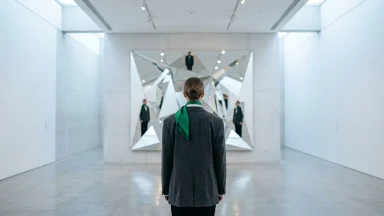
Beyond people-watching, inspiration can come from films, art galleries, and even interior design. The color palette of a Wes Anderson movie or the textural interplay in a modern sculpture can spark an idea for an outfit. The key is to keep your eyes open and document what you see, whether in a notebook or a private photo album on your phone. These observations are the raw materials you can use to elevate your everyday style beyond the basics. The goal isn’t to copy but to interpret, translating the world around you into a language your wardrobe can speak.
Common Style Pitfalls and How to Avoid Them
Developing a personal style is a journey, and like any good road trip, there are bound to be a few wrong turns. We’ve all been there, looking at an old photo and asking, “What was I thinking?” The goal isn’t perfection, but progress. Recognizing common missteps is the first step toward building a wardrobe that feels like you.
Buying Trends Over Timeless Pieces
It’s easy to get swept up in the excitement of a new season’s must-haves. But a closet filled exclusively with fleeting fads can quickly feel dated and disjointed. A report from the Global Fashion Agenda found that while clothing production has soared, the average number of times an item is worn has decreased significantly. This suggests we’re buying more but valuing it less. The key is to find a sustainable balance. Think of your wardrobe as a long-term investment portfolio.
A smart strategy is the 80/20 approach: 80% of your wardrobe should be timeless, high-quality staples, while 20% can be dedicated to exploring current trends. This allows you to participate in the fashion moment without sacrificing your core style. This is the secret to navigating fashion trends with confidence instead of being overwhelmed by them.
- Do: Invest in a classic trench coat, a perfectly cut blazer, and denim that makes you feel amazing. These pieces form the backbone of countless outfits.
- Don’t: Purchase an entire head-to-toe look just because it’s trending on TikTok. Instead, pick one trendy element—like a specific color or accessory—and integrate it with your existing classics.
Ignoring Fit: The Foundation of Good Style
This is perhaps the single most overlooked aspect of great style. You can wear the most expensive, beautifully designed garment, but if it doesn’t fit your body correctly, it will never look its best. An ill-fitting piece can make you look sloppy or uncomfortable, regardless of its price tag. It’s like trying to bake a cake with incorrect measurements; no matter how premium your ingredients are, the final result will be off.
Get acquainted with a local tailor. The cost of a few simple alterations—typically from $15 for a hem to $40 for taking in a blazer—can make an affordable piece of clothing look custom-made. According to New York-based stylist Marco Ricci, “A good tailor is a style secret weapon. They can transform a $75 dress from an online store into something that looks like it was made for you on couture row.” Why let a poor fit undermine your entire look?
Over-accessorizing vs. Under-accessorizing
Accessories are the punctuation of an outfit; they complete the statement. finding the right amount can be tricky. On one end of the spectrum, there’s the tendency to pile on everything at once—a statement necklace, chandelier earrings, a stack of bracelets, and a chunky watch. This can create visual chaos where nothing stands out.
On the other end is the fear of accessorizing at all, resulting in looks that feel a little flat or incomplete. Coco Chanel famously advised taking one thing off before leaving the house, which is excellent advice for avoiding the over-accessorized trap. But sometimes, an outfit actually needs one more thing to come alive.
Finding the Right Balance for Your Look
The secret is visual balance. If you’re wearing a bold, patterned top, perhaps simple gold hoops are all you need. But if your outfit is a monochrome canvas like a simple black dress, it’s the perfect opportunity to showcase a more dramatic piece of jewelry or a colorful scarf. It’s an artful way to elevate your everyday style without a complete wardrobe overhaul.
A good rule of thumb is to choose one focal point. Are your earrings the star of the show? Then maybe skip the necklace. Is it a stunning handbag? Keep your other accessories more subdued to let it shine. This deliberate approach feels intentional and chic.
The ‘Comfort Zone’ Trap: Experimenting with Confidence
Routines are comfortable, but they can also lead to a style rut. If you’ve been wearing the same combination of jeans and sweaters for years, you might be stuck in a “comfort zone” trap. While it’s great to have a signature look, it’s also important to allow your style to evolve with you. What worked for you five years ago may not reflect who you are today.
Start small to build your confidence. You don’t have to go from minimalist to maximalist overnight. Try swapping your usual blue jeans for an olive green or burgundy pair. Add a belt to a dress you usually wear loose. Experiment with a new lipstick shade—a surprisingly effective way to change the vibe of your whole outfit. Not every experiment will be a home run (we all have those “what was I thinking?” photos), but each one teaches you something new about what you like.
Embracing a little experimentation is key to mastering modern looks and ensuring your style remains a current and authentic expression of you. Your wardrobe should be a source of joy and creative expression, not a uniform you feel obligated to wear.
Your Style, Your Story
Ultimately, your wardrobe is more than just a collection of fabric; it’s a living document of who you are and where you’re going. It will change as your life, career, and confidence evolve—and it should. Don’t strive for a ‘perfect’ or ‘finished’ closet. Instead, embrace the process of building a wardrobe that tells your story, one thoughtful piece at a time. What is one piece you own that you can look at with fresh eyes today?
Frequently Asked Questions
How can I find my personal style if I feel lost?
Start with self-reflection instead of looking at trends. Notice the three items you wear most, think about an outfit that made you feel amazing, and create a private Pinterest board of images that you’re drawn to. This process is about finding patterns in what you genuinely love, which forms the foundation of your unique style.
What are the most versatile clothing items to invest in?
Focus on high-quality foundation pieces that form the backbone of your closet. Key items include a well-fitting pair of jeans, a classic white t-shirt, a tailored blazer, and a simple dress or trench coat. These versatile staples can be mixed and matched endlessly with other items in your wardrobe.
How often should I update my wardrobe with new trends?
You don’t need a complete overhaul each season. A smart approach is the 80/20 rule: 80% of your wardrobe consists of timeless staples, while 20% is reserved for exploring trends. Adding just a few on-trend accessories or one key clothing item can keep your look current without a huge investment.
Can I create a stylish outfit on a budget?
Absolutely. Style is about creativity, not how much you spend. Master the art of outfit remixing to create new looks from clothes you already own, explore thrift and consignment stores for unique finds, and invest in quality accessories that can elevate even the most basic, affordable outfits.
What’s the best way to organize my closet for easier outfit planning?
Organize your closet by category (e.g., all tops together, all pants together) and then sort by color within each category. This visual organization makes it much easier to see what you have and pull pieces together. Storing off-season items separately also helps reduce clutter and decision fatigue.